What to Feed a 4 Week Old Kitten
Published 21 September 2026. Sources: Cats Protection, International Cat Care, Cats Protection Australia, Alley Cat Allies, FEDIAF, Royal Canin UK.
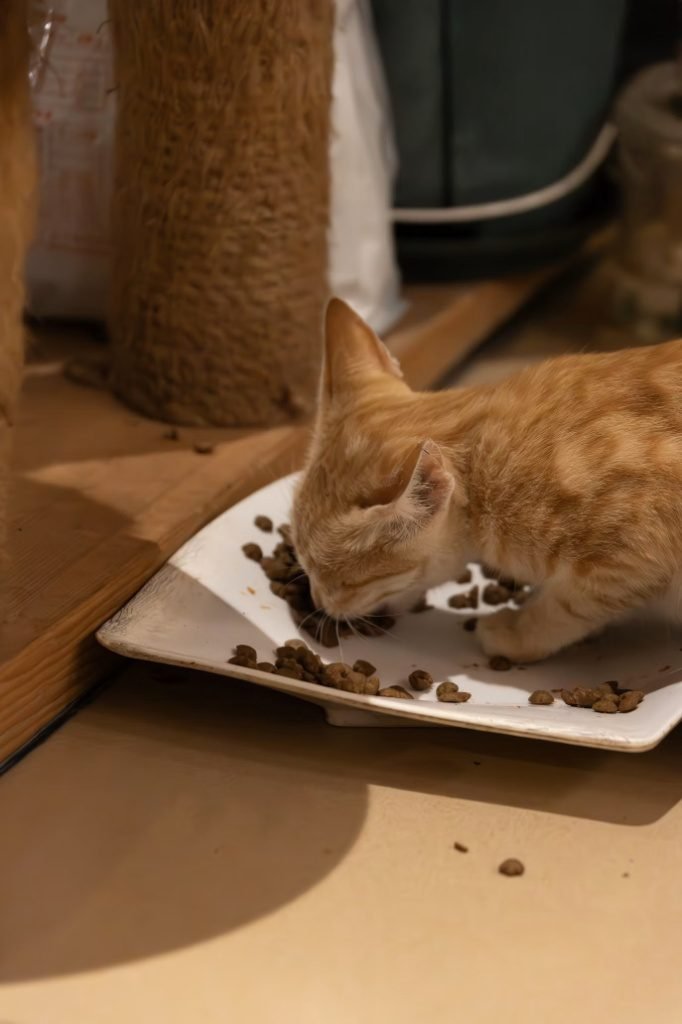
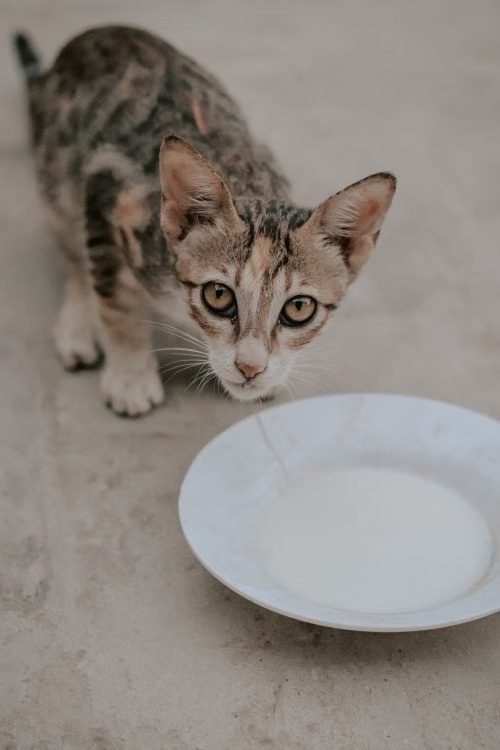
A 4 week old kitten that is still with its mother gets most of its food from her milk and starts to take small amounts of soft wet kitten food from a shallow saucer. A kitten without a mother needs a kitten milk replacer, with wet kitten food stirred in gradually until it eats a soft paste by itself. Ordinary milk is not a suitable replacement at this age, as explained in our guide on why kittens should not drink cow’s milk and goat’s milk are unsuitable for both.
Weaning can start from 3 to 4 weeks and takes several weeks. The routine at this age is small portions, several times a day, and kitchen scales to confirm the kitten is gaining weight. Once weaning is finished, at around 6 to 8 weeks, portions follow the food manufacturer’s pack guidance, and the age and weight chart in kitten feeding takes over from there.
Quick answer: feeding a 4 week old kitten
| Situation | What to do |
|---|---|
| With its mother | Keep the kitten with her. Offer wet kitten food in a very shallow saucer at least 4 times a day, or leave it available all the time. |
| Without its mother | Kitten milk replacer warmed to 35 to 37.8°C, about 5 feeds in 24 hours at 3.5 to 5 hour intervals, with wet kitten food mixed in gradually. |
| First solid food | Complete wet kitten food mixed with milk to a soft paste. |
| Water | A shallow, tip-proof bowl of fresh water. Some kittens do not lap until 5 or 6 weeks. |
| Avoid | Cow’s milk, goat’s milk and adult cat food. |
| Weight check | Weigh daily. Expect a gain of roughly 10 to 15 g a day. |
| Call a vet | If the kitten refuses to feed, cries excessively, loses weight, has diarrhoea or coughs after feeding. |
Looking Back at Neonatal Development?
While 4-week-old kittens are just beginning their exciting journey toward solid food and weaning, their early weeks require intense monitoring, specialized warmth, and round-the-clock care. To see how kittens grow and develop right from birth up to this milestone stage, check out our complete guide on caring for newborn kittens.
Is a 4 week old kitten ready for solid food?
International Cat Care says kittens normally start eating solid food from around 4 weeks, when they can walk a reasonable distance. Cats Protection’s ageing chart gives an average weight of about 500 g at 4 weeks and lists solid food as something a kitten can now begin. Alley Cat Allies gives a range of 440 to 470 g.
Weight gives only a rough age. Cats Protection Australia puts it at about 100 g for each week of age, and notes that an underfed or unwell kitten can be older than its weight suggests. A found kitten weighing 300 g might be 3 weeks old, or an older kitten that has missed meals. A vet can tell which, and the answer changes the food: a 3 week old still gets most of its nutrition as milk.
Weaning a 4 week old kitten, step by step
Weaning is gradual. International Cat Care notes that hand-reared kittens weaned too quickly can develop digestive problems, weight loss and more aggressive behaviour.
- Set up a very shallow saucer. Use a small plate or saucer at ground level, close to the kitten. Kittens stand and walk in their food, so replace it regularly.
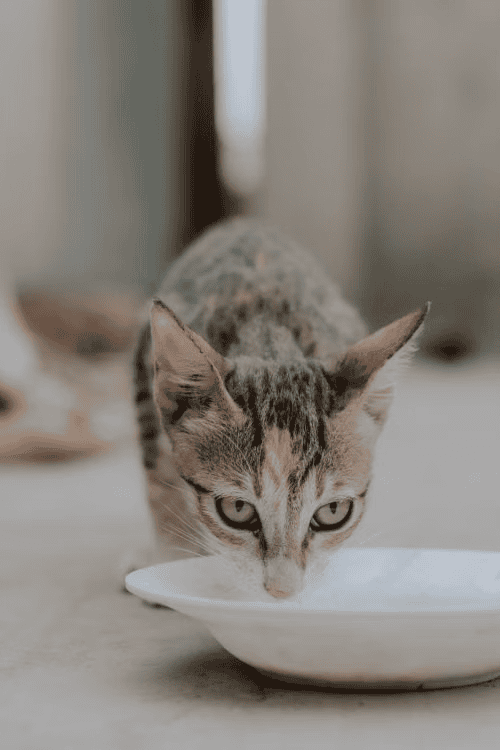
- Start with milk in the saucer. Make up kitten milk to the pack instructions. Cats Protection suggests placing a little on the kitten’s mouth to encourage it to drink from the bowl, several times a day.
- Stir in a little wet food. Mix a small amount of wet kitten food into the milk until it is soft and paste-like. Raise the proportion of food gradually. Cats Protection describes the whole process as taking 3 to 4 weeks.
- Encourage, and never force. A little paste on a fingertip or the end of a small spoon can start interest. Forcing food risks it being inhaled into the lungs.
- Keep the milk feeds going. A kitten without a mother continues to take replacer alongside saucer meals until it eats wet food consistently.
How much goes in the saucer? Cats Protection Australia suggests 1 heaped teaspoon of wet kitten food per meal, rising to 2 teaspoons once the kitten eats it consistently. Treat that as a starting point from a single charity. The same factsheet advises that if a kitten isn’t taking enough, adding a feed works better than enlarging each portion.
If the mother is still feeding
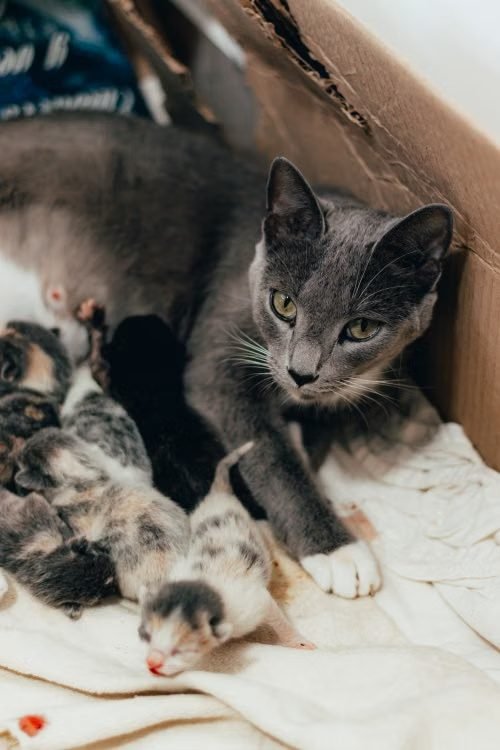
Over a few weeks, kittens eat more kitten food and take less milk from her. Cats Protection advises keeping kittens with their mother until at least 8 weeks, because separation before then is linked to behaviour problems such as retained suckling and kneading.
Kittens that cry constantly and keep searching for the teats may not be getting enough milk. Cats Protection says to contact a vet in that case, and supplementary feeding may be needed if the litter is too large for the mother.
How Often Should a 4 Week Old Kitten Eat?
There is no single feeding schedule that applies to every four week old kitten. The routine depends on whether the kitten is still nursing, is being hand reared, and how well it is eating solid food.
For a hand reared kitten, International Cat Care gives five milk feeds in 24 hours, with feeds around 3.5 to 5 hours apart. During weaning, wet or moistened kitten food can also be offered several times a day.
Here is how the main sources describe feeding at around four weeks:
How often to feed a 4 week old kitten: what the sources say
| Source | Guidance | What it covers |
|---|---|---|
| International Cat Care | 5 feeds in 24 hours, around 3.5 to 5 hours apart | Milk feeds for hand reared kittens |
| International Cat Care | At least 4 times daily, or food available all the time | Wet or moistened kitten food during weaning |
| Cats Protection Australia | 4 meals a day between 6am and 10pm | Weaning meals plus formula |
| Alley Cat Allies | 2 or 3 times a day | Weaning |
The figures differ because the sources are describing slightly different situations. For a hand reared kitten, follow the milk replacer product instructions and veterinary advice. During weaning, offer small amounts of kitten food regularly rather than expecting the kitten to eat one or two large meals.
For a hand reared kitten, one practical approach is to offer the saucer first and then provide the required milk replacer feed. The exact amount of milk should remain within the daily amount given on the product instructions.
International Cat Care lists suggested feeding times for hand-reared kittens, with 5 feeds in 24 hours at 3.5 to 5 hour intervals at 4 to 5 weeks. Its hand-rearing advice also covers milk temperature and weaning.
Which Milk Should a 4 Week Old Kitten Have?
An orphaned or hand reared four week old kitten needs a complete kitten milk replacer rather than ordinary milk.
Choose a product specifically formulated for kittens and follow the manufacturer’s instructions for dilution and feeding amounts. If you are unsure which product to use, ask your vet.
Kitten milk should be prepared and warmed according to the product instructions. International Cat Care gives a temperature range of approximately 35 to 37.8°C for milk feeds and advises checking the temperature before feeding.
Use a kitten milk replacer: a powder formulated for kittens, sold by vets, pet shops and online . Ask your vet which one to buy. One UK example is Royal Canin Babycat Milk, labelled a complete milk replacer for kittens from birth to weaning.
Follow the pack for dilution and quantity. The daily amount on the label can be split across the day’s feeds. Warm the milk to 35 to 37.8°C and test a drop on the back of your hand. Overfeeding can be as dangerous as underfeeding.
Avoid cow’s milk and goat’s milk. Cats Protection says kittens find them difficult to digest. International Cat Care adds that their protein and fat levels are too low for kittens. Lactose-free cow’s milk has the same protein and fat levels, so removing lactose does not address that objection.
Supermarket cat milk is optional at best. International Cat Care says commercial cat milk is unnecessary for kittens that get nutrition from their mother and their kitten food. Cats Protection Australia says supermarket pet milks are high in sugar and lack nutrients kittens need. That advice concerns Australian products, so check the UK pack: for a kitten without a mother, look for a product described as a complete milk replacer.
No replacer in the house? Phone a vet the same day before feeding anything. Vets stock replacer, and a kitten refusing food can decline fast. A cold kitten should be warmed slowly before any feed.
Feed a Kitten in the Correct Position
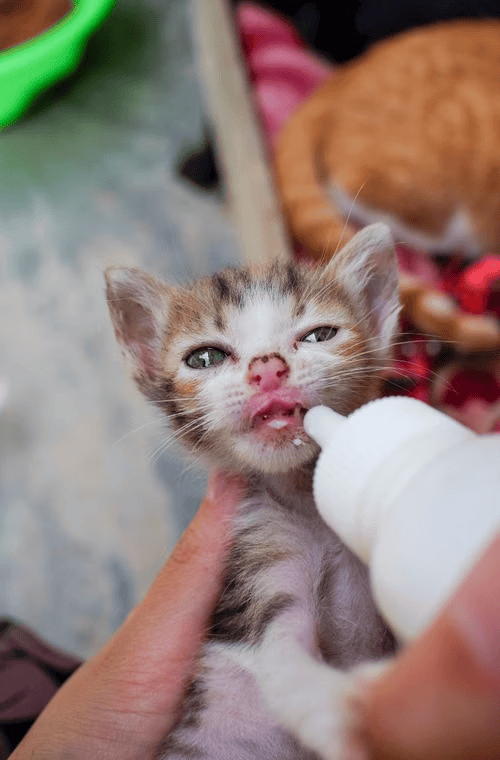
When giving milk to a hand reared kitten, keep all four paws on a surface and allow the kitten to feed in a natural position. Never feed a kitten while it is lying on its back.
Milk can enter the lungs if a kitten is fed incorrectly, which can cause aspiration pneumonia.
What Food Can a 4 Week Old Kitten Eat?
At four weeks, kittens can begin moving from milk towards soft kitten food. Choose food that is specifically formulated for kittens and described as complete.
Which foods suit a 4 week old kitten
| Food | Suitable at around 4 weeks? | Notes |
|---|---|---|
| Kitten milk replacer | Yes | Main milk source for an orphaned or hand reared kitten during weaning |
| Complete wet kitten food | Yes | Can be mixed into a soft paste during weaning |
| Moistened kitten dry food | Can be introduced | International Cat Care allows it from around 3 to 4 weeks; other guidance suggests establishing wet food first |
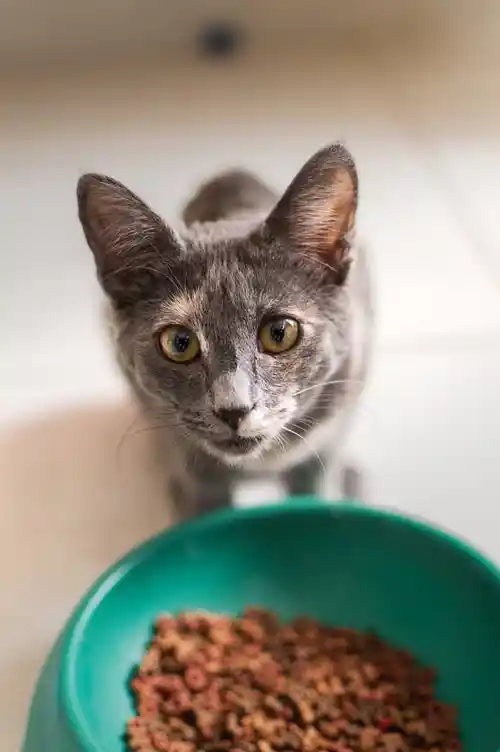
| Adult cat food | Not suitable as the regular food | Choose a complete food formulated for kittens |
| Cow’s milk | No | Not nutritionally suitable |
| Goat’s milk | No | Not a substitute for kitten milk replacer |
| Dog food | No | Not formulated to meet a kitten’s nutritional needs |
| Human food or baby food | No | Not appropriate as a regular food for a growing kitten |
Choose a food labelled for kittens and described as complete and balanced. FEDIAF, the European pet food federation whose members include UK associations, publishes nutritional guidelines for complete cat food covering growth as well as adulthood.
Cats Protection Australia advises avoiding fish and seafood varieties of kitten food, because the oils can cause diarrhoea, and prefers chicken or meat varieties. It also warns that changing brand or variety frequently can cause stomach upsets. Both points come from one source.
Water at 4 Weeks
Offer a shallow, tip proof bowl of fresh water from around four weeks.
Some kittens may not lap water confidently until they are a little older. During early weaning, milk and wet food also provide fluid, but fresh water should still be available.
Watch for signs of dehydration, including dry or tacky gums, sunken eyes, dark urine or skin that does not return quickly when gently lifted. Contact a vet if you are concerned about dehydration.
What normal looks like during weaning
- Weight: Weigh the kitten at around the same time each day using clean kitchen scales and keep a simple record. A healthy kitten may gain roughly 10 to 15 g per day, although individual growth varies. A kitten that is losing weight or failing to gain as expected should be assessed by a vet.
- Stools: A kitten’s stools can become softer as wet food is introduced. Very loose or watery diarrhoea is not something to ignore because young kittens can deteriorate quickly.
- Toileting: By around four weeks, kittens are beginning to toilet independently. A shallow litter tray can be introduced so the kitten can learn to use it.
- Appetite: A kitten should continue showing interest in food and milk during weaning. A kitten that repeatedly refuses feeds, eats poorly or suddenly loses interest in food needs vet advice.
Feeding Problems and What They Mean
The kitten ignores the saucer
Do not force the kitten to eat. Try offering a small amount of soft food from a fingertip or spoon and continue appropriate milk feeds while trying again later.
If the kitten repeatedly refuses food or milk, contact a vet.
The kitten coughs, or milk or food comes from its nose
This can indicate that milk or food has entered the airway. Stop feeding and contact a vet promptly because aspiration can lead to pneumonia.
The kitten has loose stools
Cats Protection lists overfeeding, incorrectly concentrated milk replacer and infection among possible causes of diarrhoea.
If a kitten develops diarrhoea, particularly watery diarrhoea, contact a vet because young kittens can become dehydrated quickly.
The kitten has hard stools or does not poo
If the kitten has very hard stools, is straining or has not passed stools for a day, speak to your vet.
When to call a vet
Kittens can go downhill very quickly. Contact a vet if the kitten:
- refuses to feed or feeds poorly
- cries excessively
- loses weight or gains less than expected
- has diarrhoea, vomits or regurgitates milk
- is cold, weak or lying apart from littermates
- coughs or has milk come from the nose
Take the whole litter, and the mother if present, rather than one kitten alone, because separating a kitten from the nest is stressful.
Worming is usually started at about 3 weeks, and vaccination at 8 to 9 weeks . Ask your vet about timing.
More questions about feeding a 4 week old kitten
Can a 4 week old kitten eat dry food?
International Cat Care says moistened kitten dry food can be offered from 3 to 4 weeks, moistened with water or kitten milk to begin with. Cats Protection Australia waits until a kitten is eating wet food exclusively.
How long does weaning take?
Cats Protection describes 3 to 4 weeks, and International Cat Care says kittens should be fully weaned by around 6 to 8 weeks.
When can a kitten leave its mother?
Cats Protection advises not before 8 weeks, unless a vet recommends otherwise.
Can a 4 week old kitten have human baby food?
Cats Protection Australia advises against dog food and human food, baby food included, because of digestive problems.
Sources used for this
- Cats Protection. Kitten care.
- Cats Protection. Hand-rearing.
- Cats Protection. Kitten ageing chart.
- International Cat Care. Hand-rearing kittens (updated 26 September 2025).
- International Cat Care. Bringing up a litter of kittens: health considerations (updated 26 September 2025).
- Cats Protection Australia. Factsheet: Caring for orphan kittens between birth and 4-5 weeks old (May 2019).
- Alley Cat Allies. How old is that kitten? Kitten guide: four weeks.
- FEDIAF. Nutritional Guidelines for Complete and Complementary Pet Food for Cats and Dogs.
- Royal Canin UK. Babycat Milk.