Can Kittens Drink Cow’s Milk? UK Vet Advice, Risks and Safe Alternatives
Last updated: 13 October 2026
Fact-checked against guidance from Cats Protection, PDSA, Blue Cross, Battersea, International Cat Care and the RSPCA.
Quick answer
No. Kittens should not drink cow’s milk. Cow’s milk is not nutritionally matched to a kitten’s needs and can cause diarrhoea, vomiting, dehydration and poor growth. A kitten that still needs milk should have its mother’s milk or a vet-approved kitten milk replacer. A weaned kitten needs fresh water and complete kitten food not milk.
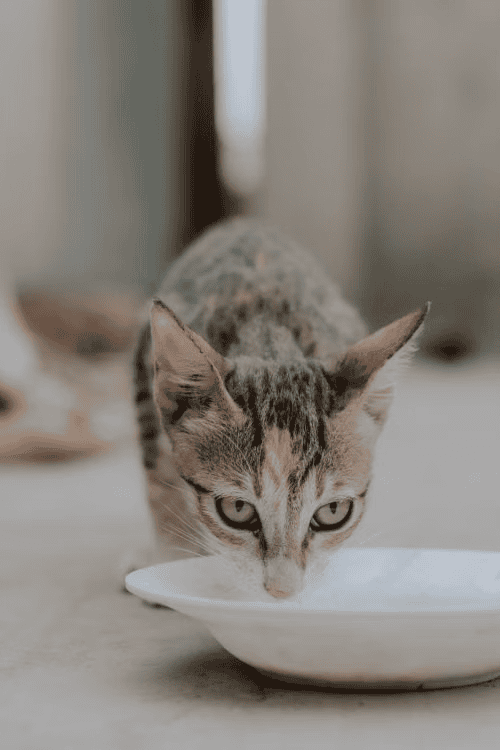
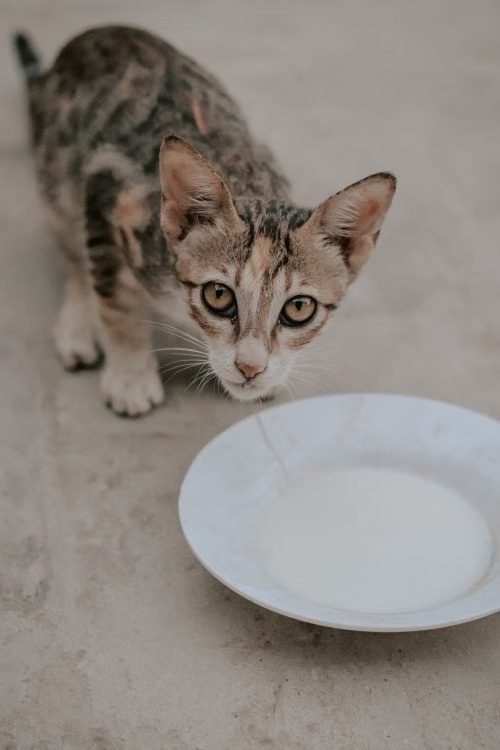
A saucer of cow’s milk looks like a kind way to feed a hungry kitten. Can kittens drink cow’s milk safely? UK vets and animal charities advise against it, because cow’s milk is made for calves, not kittens, and it can upset a kitten’s stomach at any age.
The safest drink depends on the kitten’s age. Kittens that are not yet weaned need their mother’s milk or a properly formulated kitten milk replacer. Once a kitten is weaned, fresh water is the only drink it needs alongside complete kitten food.
Why cow’s milk is wrong for kittens
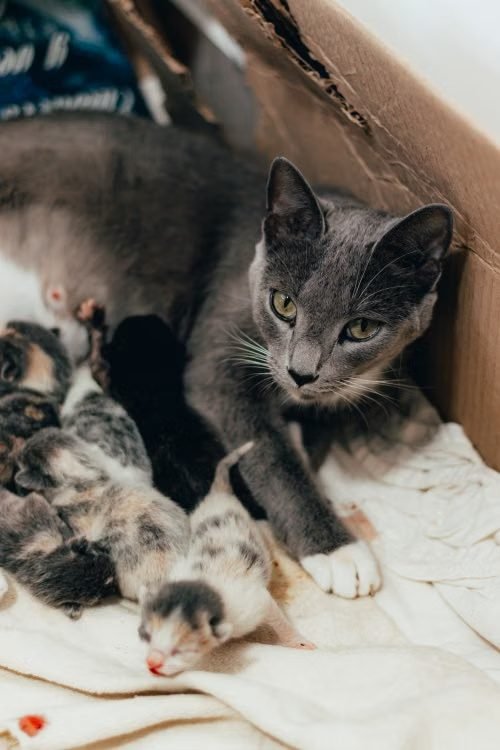
A queen the correct term for a mother cat produces milk specifically designed for kittens. Cow’s milk is designed for calves. The two milks differ in lactose, energy, protein, fat and immune support.
Cats Protection explains that queen’s milk contains antibodies that help protect kittens from disease, while cow’s milk contains more lactose than the milk kittens naturally drink.
Cow’s milk is also not nutritionally matched to a growing kitten. International Cat Care states that cow’s milk and goat’s milk do not provide the right nutritional profile for hand-rearing kittens, particularly compared with a properly formulated queen’s milk replacement.
A kitten has a small stomach and high energy needs. If it fills up on cow’s milk, it may take in fewer of the nutrients it needs for healthy growth than it would from queen’s milk or kitten milk replacer.
Lactose, lactase and diarrhoea
Lactose is the natural sugar found in milk. Kittens produce lactase, the enzyme that helps digest lactose, while they are nursing. As kittens move onto solid food, lactase production can fall, which is why many older kittens and adult cats struggle to digest dairy.
Cats Protection explains that around a third of cats cannot tolerate cow’s milk. [2] However, even a kitten that appears to tolerate a small amount should not be given cow’s milk as part of its diet.
When lactose is not properly digested, it can remain in the gut and draw water into the intestines. This can cause stomach pain, wind, bloating and diarrhoea. Your Cat notes that this process can lead to diarrhoea, which is particularly dangerous for small kittens because they can become dehydrated quickly.
Boiling milk does not remove lactose. Choosing skimmed or semi-skimmed milk does not solve the problem either. Diluting cow’s milk may reduce the lactose in each feed, but it also dilutes the nutrition and still does not make it suitable for a kitten.
How much cow’s milk can a kitten have?
There is no safe amount of cow’s milk to give a kitten as a regular drink. Even a small amount can cause digestive upset in some kittens, while a larger amount increases the risk of diarrhoea and dehydration.
If a kitten has licked a small spill or been given a few drops once, monitor it closely and contact a vet if it becomes unwell. Do not offer more cow’s milk to “settle” the stomach. Kittens that still rely on milk should be fed a suitable kitten milk replacer instead, following veterinary advice.
Why kittens go for cow’s milk anyway
Kittens and cats may lap up cow’s milk eagerly because they enjoy the taste and texture. The image of a cat drinking from a saucer of milk is familiar, but enjoying a drink does not mean it is safe or easy to digest.
Live Science reports that the association between cats and milk may be linked to early positive experiences and the long-standing cultural image of cats with milk, including in 19th-century art. [6] Taste is not a guide to nutritional suitability.
What happens when a kitten drinks cow’s milk?
The most common problem is digestive upset. Cats Protection lists diarrhoea, a gurgling stomach, bloating, extra wind and lethargy as possible signs of lactose intolerance. Diarrhoea can lead to dehydration, which is especially risky in young kittens. [1]
Battersea also warns that cow’s milk can cause vomiting and diarrhoea in kittens. [3] Blue Cross advises against giving cow’s milk to kittens or cats because it can cause diarrhoea.
Some kittens may show no obvious symptoms after a tiny amount, but that does not make cow’s milk suitable. PDSA vets state that there are no benefits to giving cats milk.
Young kittens carry the highest risk. PDSA advises owners to contact a vet straight away if a young kitten has diarrhoea, and to seek emergency care if a kitten becomes weak, since weakness can be linked to low blood sugar. Cats Protection adds that kittens have very limited energy reserves and can deteriorate rapidly.
Call a vet urgently if your kitten:
- Is under 4 weeks old and has had cow’s milk
- Has diarrhoea, especially if it is watery, frequent or ongoing
- Is vomiting repeatedly
- Seems weak, cold, limp or unusually sleepy
- Will not feed or refuses food
- Has a swollen, painful or hard belly
- Has blood, blackness or an unusual colour in its stool
- Has not passed urine or faeces as expected
Young kittens can become dehydrated and develop low blood sugar quickly. If you are unsure, call a vet or an emergency veterinary practice for advice.
What to do if your kitten has already had cow’s milk
- Remove the milk. Take away cow’s milk and any other dairy, then wash the bowl thoroughly.
- Check the kitten’s age. A kitten under about 4 weeks old, or any kitten that still depends on milk, needs veterinary advice the same day.
- Offer fresh water if weaning has started. Place a clean bowl of fresh water away from the food. Do not give more milk.
- Feed normally if the kitten is well. A weaned kitten can have its usual complete kitten food at the normal time. A young kitten should continue with its usual kitten milk replacer only if a vet has advised this.
- Monitor closely. Watch for diarrhoea, vomiting, bloating, lethargy, poor feeding or changes in litter tray habits over the next several hours.
- Contact a vet if symptoms appear. Diarrhoea in a young kitten, repeated vomiting, weakness, refusal to feed, a cold body or no urine or faeces all need prompt veterinary advice.
- Do not use home remedies. Do not give human rehydration drinks, medicines, herbal remedies or homemade milk mixes unless a vet specifically tells you to.
Most veterinary practices provide or arrange out-of-hours cover. If your usual practice is closed, its answerphone message should give the number for the emergency service.
What kittens can drink at each age
Age decides what a kitten should drink. Kittens wean at slightly different speeds, so these age ranges are typical rather than exact.
| Age | What the kitten drinks | Notes from UK sources |
| Newborn to about 3 weeks | Mother’s milk. If the mother cannot feed the kitten, use a vet-approved kitten milk replacer. | Hand-reared newborn kittens may need feeding every 2 to 2.5 hours, including overnight, depending on veterinary advice. |
| 3 to 4 weeks | Milk feeds continue, alongside the first tastes of wet kitten food. | Cats Protection and International Cat Care place the start of weaning at around 3 to 4 weeks. |
| 4 to 8 weeks | Less milk as solid kitten food increases. Fresh water should be available. | Weaning is gradual. PDSA, Cats Protection and International Cat Care give slightly different end points, commonly between 6 and 8 weeks. |
| From about 8 weeks | Fresh water with complete kitten food. | Blue Cross says kittens no longer need their mother’s milk at around 8 weeks. Battersea says a kitten that has left its mother does not need milk of any type. |
Can kittens drink lactose-free cow’s milk?
No. Lactose-free cow’s milk is not a suitable replacement for queen’s milk or kitten milk replacer.
Removing lactose may reduce the risk of lactose-related diarrhoea, but it does not turn cow’s milk into a complete kitten food. It still does not match the protein, fat, energy and immune support that a growing kitten needs.
A kitten that is not yet weaned should have mother’s milk or a properly formulated kitten milk replacer. A weaned kitten should have fresh water and complete kitten food instead.
Can kittens drink goat’s milk?
No. Goat’s milk is not a safe alternative to cow’s milk for kittens.
Vet Partners advises avoiding both cow’s and goat’s milk for kittens. [6]
If a kitten cannot drink its mother’s milk, use a kitten milk replacer formulated specifically for kittens, ideally one recommended by a vet.
Other milks and drinks: which are safe for kittens?
Many products are sold as “cat milk,” but only one type of product is designed to replace a mother cat’s milk: kitten milk replacer. Everything else is either unnecessary, unsuitable or unsafe for a kitten.
| Drink | Suitable for kittens? | Reason |
| Mother’s milk | Yes, until weaning | Made for kittens and contains antibodies that support early protection. |
| Kitten milk replacer | Yes, when the mother cannot feed | Formulated for kittens. Mix exactly as the product label and your vet advise. |
| Cow’s milk | No | Can cause diarrhoea and vomiting; not nutritionally matched to kitten growth. |
| Lactose-free cow’s milk | No | May reduce lactose, but still does not provide complete kitten nutrition. |
| Goat’s milk | No | Not suitable for hand-rearing and may be difficult for kittens to digest. |
| Oat, almond, soya or other plant milks | No | Cats Protection warns against milk substitutes, which may contain ingredients that could be harmful to cats. |
| Supermarket cat milk | Not needed | A lactose-reduced treat for adult cats, not a complete food for kittens. |
| Fresh water | Yes, once weaning has started | The only drink a weaned kitten needs alongside complete kitten food. |
Kitten milk replacer vs supermarket cat milk
These are two different products and should not be confused.
Kitten milk replacer is designed to replace queen’s milk when a kitten cannot nurse. It should be used under veterinary guidance, mixed exactly as directed, and given at the correct temperature and feeding frequency for the kitten’s age.
Supermarket cat milk is usually a lactose-reduced treat for adult cats. Cats Protection describes it as safe for some cats but very fatty, and says kittens do not need it. PDSA also notes that cat milk is not a complete meal.
PDSA’s hand-rearing advice specifically states that sold milk in supermarkets is not suitable for hand-rearing kittens. Instead, use a kitten formula from a vet or a reputable pet retailer. [5]
Found a kitten without its mother?
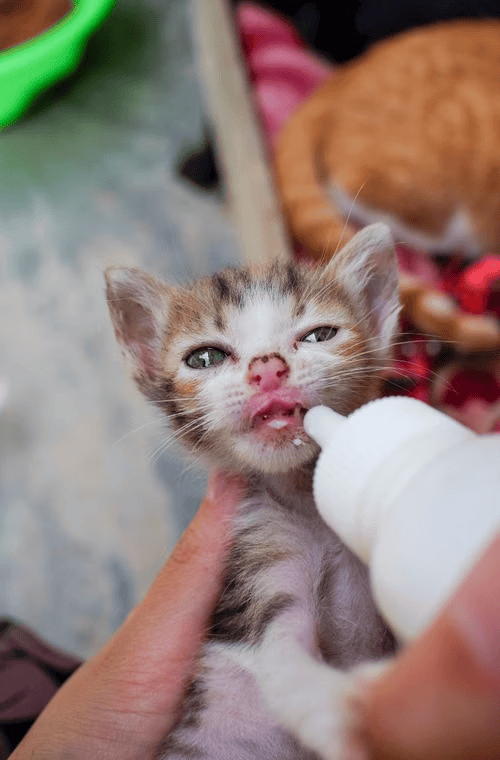
Phone a vet before trying to feed the kitten. A vet can help you decide whether hand-rearing is needed, recommend a suitable kitten milk replacer, and check the kitten for dehydration, low body temperature or other problems.
Cats Protection advises asking a vet whether hand-rearing is necessary and seeking urgent help if a kitten refuses to feed. [1] PDSA says kitten formula is available from vets and some pet shops. International Cat Care states that the only suitable replacement is a properly formulated queen’s milk replacement.
The Merck Veterinary Manual explains that commercial formulas are preferable to homemade mixes, although none fully matches the mother’s milk. It also warns that even short periods without food can cause low blood sugar in newborn animals, and that young animals are more vulnerable to fluid imbalance because their kidneys do not concentrate urine as effectively as an adult’s.
If you do not have kitten formula at home, contact a vet or emergency practice immediately. Do not use cow’s milk, goat’s milk or a homemade mixture while you wait.
Feeding technique matters as much as the product. Cats Protection warns that overfeeding can be as dangerous as underfeeding. International Cat Care also warns that milk forced into a kitten’s mouth can be inhaled into the lungs and cause serious illness.
For the full process, see our guide to hand-reared kittens and if the kitten is still with its mother, read our advice on kittens in their first weeks.
When do kittens stop needing milk?
Weaning usually starts at around 3 to 4 weeks and finishes between roughly 6 and 9 weeks, depending on the kitten. Cats Protection’s drinking guidance puts full weaning at about 9 weeks, which is the later end of the common UK range. The feeding page for a kitten at that stage is feeding a 4 week old kitten.
International Cat Care suggests starting weaning with wet kitten food or dry kitten kibble softened with water. As solid food increases, milk feeds should gradually reduce under the guidance of a vet or experienced foster carer.
Water becomes increasingly important as weaning progresses. The RSPCA says cow’s milk is not a substitute for water and warns that cats can become severely ill within hours without water. Blue Cross also notes that many cats prefer water kept separate from their food, so place the water bowl away from the food dish. [4]
Weaning should happen at the kitten’s own pace. International Cat Care warns that incorrect weaning can lead to digestive problems and weight loss. If a kitten refuses solid food, it should continue with appropriate milk feeds and be checked by a vet if the refusal continues.
Quick questions about kittens and milk
Can kittens drink warm cow’s milk?
Can kittens drink cow’s milk mixed with water?
Can kittens drink cow’s milk once?
Can kittens drink skimmed or semi-skimmed cow’s milk?
Can kittens drink boiled cow’s milk?
Can a 6 week old kitten drink cow’s milk?
Can kittens drink cow’s milk if they are not lactose intolerant?
Can cow’s milk cause dehydration in kittens?
What to do next
Keep cow’s milk and plant-based milks out of a kitten’s reach. Provide a clean bowl of fresh water away from food, feed a complete kitten diet appropriate for the kitten’s age, and keep the number of your vet and local emergency practice somewhere easy to find.
Portion sizes for the weeks after weaning are covered in our guides on kitten feeding amounts by age and wet food portions for kittens.
Sources
- Cats and drinking, Cats Protection.
- Are cats lactose intolerant?, Cats Protection, 19 September 2024.
- Feeding your cat, Battersea, updated 25 June 2026.
- Kitten food, Blue Cross, reviewed 24 February 2026.
- Vet Q&A: Can cats drink milk?, PDSA, 17 November 2020.
- Complete kitten feeding guide, Vet Partners, written by Sharon English BVM&S MRCVS, 2025.
Disclaimer: The sources above are cited for editorial accuracy and E-E-A-T purposes only. We are not affiliated with, sponsored by, or in any commercial partnership with these organisations.