
Cat Care 101: Essential Vaccines and Parasite Control for cats Tips
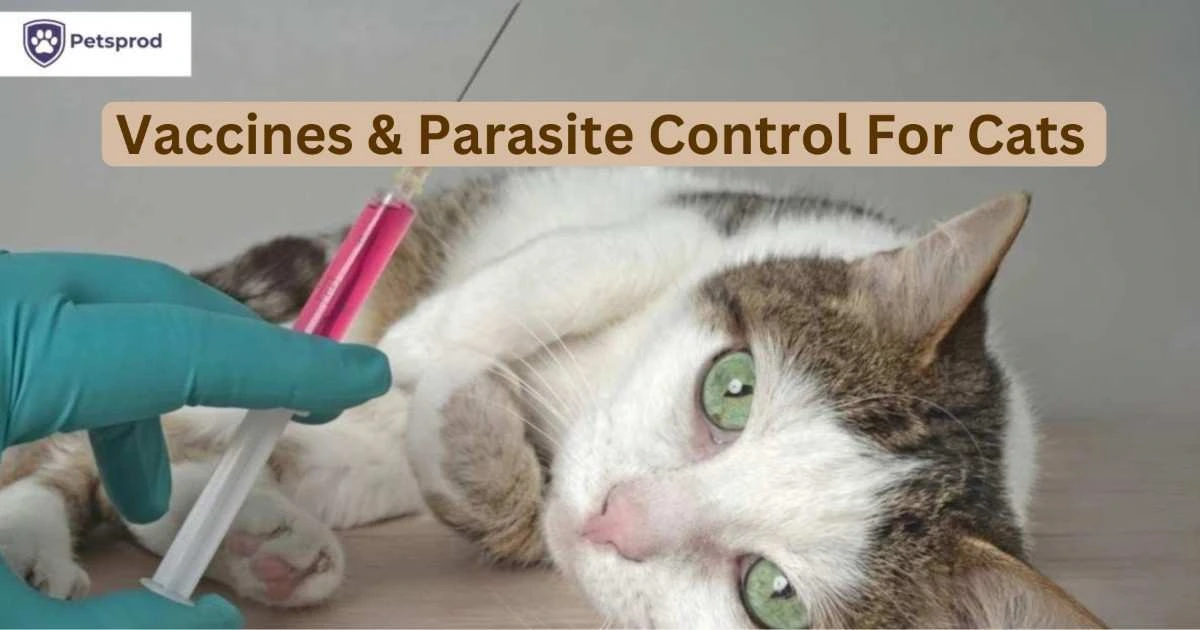
Bringing that tiny, wide-eyed kitten home is easily the best part of being a pet owner, but navigating vaccines and parasite control for cats for the first time can be overwhelming. You’ve got the photos lined up and the name sorted, but then comes the vet visit, and suddenly you’re handed a leaflet that changes the mood.
When you become a first-time cat owner in the UK, the basics aren’t actually that complicated. Vaccines, flea treatments, and worming schedules sound like a lot. That’s exactly why this Cat Care Guide for Beginners exists. We’re breaking down everything you actually need to know which vaccines matter, how parasite control works (yes, even for indoor cats), and what it all means for your new companion.
How Essential Vaccines and Parasite Control Can Save Your Pet’s Life
If there’s one thing you shouldn’t cut corners on, it’s this: preventative care is the frontline of your cat’s health, not a ‘nice-to-have’ add-on. Under the Animal Welfare Act 2006, every cat owner in the UK has a legal duty of care to protect their animal from pain and preventable suffering. Vaccination and parasite prevention sit firmly within that duty.
The two most common mistakes beginners make are treating the first vaccine appointment as a one-off task and assuming parasite control is only relevant for cats that go outside. Both of these lead to problems that are entirely avoidable.
5 Hidden Dangers Every Indoor Cat Faces
This is the point that surprises most new owners. Feline panleukopenia virus can survive on contaminated surfaces for up to a year. It does not need another cat to carry it into your home. It can arrive on the bottom of your shoes, on a shopping bag, or on your clothing after you have been somewhere that had an infected cat nearby.
Cat flu viruses work in a similar way. They spread through indirect contact, which means your indoor cat is not as protected as you might think. The British Veterinary Association is clear on this point core vaccinations are recommended for all cats regardless of whether they ever set foot outside.
The Hidden Dangers Facing Unprotected Cats
It is worth being direct about the consequences because they are serious:
- An unvaccinated cat exposed to feline leukaemia virus faces a progressive immune disease with no cure
- Cat flu in kittens or older cats can become severe enough to need hospitalisation and intensive nursing care
- A flea infestation in a young kitten can cause anaemia within weeks if left untreated
- Roundworm burden in kittens can be fatal when heavy enough
These are not unlikely outcomes. They are what UK vets see regularly when preventative care has been skipped.
Vaccination Checklist: What Cat Owners in the UK Must Know
The UK schedule splits vaccines into two categories. Core vaccines are the ones every cat needs without exception. Non-core vaccines are assessed based on your individual cat’s lifestyle and risk factors.
Why Core Vaccines Are Essential: A Non-Negotiable Guide
In the UK, these primary injections are the only thing standing between your pet and some of the most aggressive viruses in the country. Even for indoor cats, protection is vital, as many of these pathogens are remarkably resilient.
Cat Flu Vaccine
Cat Flu Vaccine Cat flu is caused by two completely separate viruses, and one vaccine covers both. Feline herpesvirus causes sneezing, eye discharge, and ulceration that can become chronic and painful. Feline calicivirus causes mouth ulcers, joint pain, and breathing problems.
Feline Infectious Enteritis Vaccine
Feline Infectious Enteritis Vaccine Also called feline panleukopenia or feline parvovirus. This is arguably the most dangerous disease on the list. It destroys white blood cells and the gut lining very quickly, and in unvaccinated kittens the death rate is extremely high. The virus is also remarkably resilient in the environment, which is what makes indoor cats vulnerable too.
Feline Leukaemia Virus Vaccine
Feline Leukaemia Virus Vaccine Particularly important for any cat that goes outside or has contact with other cats. There is no treatment once a cat is infected with FeLV. Prevention through vaccination is the only reliable strategy, which makes this one non-negotiable for cats with any outdoor access at all.
Is Your Pet Protected? The Non-Core Vaccines You Should Know
While core vaccines are mandatory for all, non-core vaccines are tailored to your cat’s specific lifestyle. These are often described as “lifestyle vaccines” because their necessity depends on whether your cat goes outdoors, visits catteries, or lives in a multi-cat household.
It is always worth a conversation with your vet to see if the following are relevant to your pet:
Chlamydia Felis Vaccine
This is often recommended for multi-cat households or breeders with a history of recurring respiratory infections. It specifically targets a bacterial infection that causes severe conjunctivitis and painful, swollen eyes in kittens and adult cats.
Bordetella Bronchiseptica Vaccine
This vaccine may be relevant for cats that visit boarding catteries regularly or those that live alongside dogs (who can carry the bacteria). It provides protection against a specific type of upper respiratory infection that can spread rapidly in high-density environments.
Rabies Vaccine (For Travel Only)
Currently, the rabies vaccine is not needed for domestic cats in mainland Britain, as the UK is classified as rabies-free. This only becomes relevant if you are planning to travel abroad with your cat under the Pet Travel Scheme.
Ensure Your Cat’s Health: The Complete Vaccination Timeline
Vaccination is not a “one-off” event; it is a lifelong commitment to your cat’s immunity.
From Furball to Feline: The Essential Kitten Primary Course
- First injection 8 to 9 weeks old: This covers cat flu and feline infectious enteritis. It cannot be given any earlier because maternal antibodies passed from the mother actively interfere with the vaccine response in very young kittens. The immune system needs time to mature before it can respond properly.
- Second injection 12 weeks old: This adds feline leukaemia virus to the protection already started. At this point, maternal antibodies have declined enough for the full vaccine course to take effect.
- After the second injection, your kitten needs at least one week before mixing with unvaccinated cats or going outside. Full immunity takes time to develop, and rushing this window is genuinely risky.
Adult Vaccination 101: How to Stay Up-to-Date and Protected
Not every vaccine needs the same booster frequency. In the UK, a tailored approach is used based on how long immunity lasts for each specific disease:
- Cat Flu Boosters (Annual): These are given annually because immunity from these vaccines fades faster than others.
- Feline Leukaemia Boosters (Annual): These are essential every year for cats with outdoor access or regular contact with other animals.
- Feline Infectious Enteritis Boosters (Triennial): Typically given every three years in adult cats because this vaccine produces longer-lasting immunity.
The Role of Titre Testing
Your vet may suggest a titre test rather than an automatic booster in some cases. This is a blood test that checks whether your cat’s immunity is still at a protective level, and it is a perfectly reasonable approach for cats with a clear vaccination history.
The Hidden Dangers of Skipping Vaccinations
If your cat is more than three months overdue for a booster, they are classed as ‘lapsed’. Depending on how long the gap has been, they may need to restart part or all of the primary kitten course rather than simply having a booster.
This situation comes up often with rescue cats whose previous vaccination records are incomplete or unknown. Restarting is straightforward, but it does leave your cat temporarily unprotected during the process, which is exactly why staying on schedule is worth the effort.
Professional Veterinary Protocols
Every cat’s immune system is different, and UK vets follow a specific protocol to ensure protection without over-vaccinating. For a clinical look at the ‘core’ vs ‘non-core’ vaccine groups specifically for felines, the guide on cat vaccinations is the definitive resource used by veterinary professionals.
Parasite Control: Fleas, Worms and What Most Owners Miss
Parasite prevention is not a separate topic from vaccination; it sits alongside it as an equal part of keeping your cat healthy. Some parasites actively suppress immune function, which makes infections more serious. Fleas can transmit tapeworms. Untreated worm burdens weaken cats enough that other illnesses hit harder.
Think Your Indoor Cat Is Safe from Fleas? Think Again
Fleas do not need your cat to go outside. Here is how they typically enter indoor homes:
- On human clothing and shoes after visiting a house with pets
- On visiting dogs or other pets
- Through small gaps in flooring, skirting boards, or airbricks
- In second-hand furniture that previously belonged to pet owners
Unmasking the Silent Invaders: Inside the World of Home Infestations
Once inside a warm home, fleas breed at a pace most owners do not expect. A single female flea lays up to fifty eggs per day. Those eggs do not stay on your cat; they fall into carpets, sofas, bedding, and floor cracks, where they develop through the larval and pupae stages before becoming new adult fleas.
The flea you can see on your cat represents roughly five per cent of the total infestation in your home. The other ninety-five per cent are living in your environment, not on your pet.
Proven Treatment Strategies: Breaking the Flea Cycle
Treating the cat alone is not enough. You need to treat the cat and the home at the same time, and if you have other pets in the house, they all need treatment regardless of whether they are showing signs.
For the treatment itself, prescription products from your vet are significantly more effective than supermarket or pet shop alternatives. Products containing fipronil, imidacloprid, or selamectin are widely used in UK vet practice and are safe when used correctly. Monthly treatment is the standard recommendation for most cats.
Defeat Worms: Effective Strategies for Controlling Roundworms and Tapeworms
Roundworms are the most common internal parasite in cats. A few important facts:
- Kittens can be born already infected, passed directly from the mother before birth
- Adult cats pick them up from contaminated soil, from prey animals, or from infected fleas
- Heavy infection causes visible symptoms, including pot belly appearance, weight loss, vomiting, and diarrhoea
- In young kittens, a severe burden can be fatal
Tapeworms are usually acquired by swallowing an infected flea during grooming, or through eating raw prey. You may notice small flat white segments around your cat’s tail or in their faeces. They cause discomfort and irritation but are less dangerous to otherwise healthy adult cats than roundworms.
How often you need to deworm depends on your lifestyle:
- Indoor cats with no outdoor access and no hunting: every three to six months
- Cats with outdoor access but minimal hunting: every three months
- Active hunters with regular outdoor access: monthly or every six weeks
Your vet will give you specific guidance based on your cat’s actual routine.
Beyond the itching, parasites like fleas can cause clinical issues such as flea-allergic dermatitis and tapeworms. Managing these requires medical-grade products rather than over-the-counter shop alternatives. You can read more about clinical parasite prevention for cats on the PDSA’s veterinary advice hub.
Effective Strategies for Tick Control You Need to Know
Ticks are becoming more common across the UK, particularly in rural areas and anywhere with deer populations. Cats with outdoor access in grassy or woodland areas are most at risk. Spot-on treatments that combine flea and tick protection are widely available and worth using if your cat roams in these environments.
Affordable Cat Care: Vaccination Costs and Insurance Insights
Managing the financial side of pet health is a key part of responsible ownership. In the UK, these costs generally fall into three categories:
Transform Your Kitten Into a Happy Cat: Start Today
First-time kitten vaccinations (cat flu, enteritis, leukaemia) are your highest upfront cost. Prices vary significantly between independent vets, corporate chains, and different UK regions. Most practices are transparent about fees during your first consultation.
Why Annual Adult Booster Shots are More Important Than Ever
Expect annual boosters for cat flu and other core vaccines. Costs depend on your cat’s vaccination schedule and your chosen practice. Many vets display price lists online or provide quotes during health checks.
Protect Your Pet: Monthly Parasite Prevention That Works
Prescription flea, tick, and worm treatments cost more than supermarket options but work better and prevent expensive infestations. Your vet will recommend products based on your cat’s lifestyle.
Discover What Your Pet Insurance Covers. Are You Really Protected?
The short answer is no, and it is worth understanding why before you take out a policy.
Standard pet insurance in the UK treats vaccinations and parasite prevention as routine owner responsibilities rather than insurable events. They are predictable, recurring costs that you can plan for, which is why insurers exclude them.
What insurance does cover is the treatment costs when prevention fails or when illness strikes regardless. For example:
- Cat flu hospitalisation can cost several hundred to several thousand pounds
- Flea allergic dermatitis requiring repeated vet visits and prescription skin treatment is covered
- An infected abscess from a cat fight is covered
- Emergency treatment for a cat that has ingested a toxic substance is covered
The insurance covers what goes wrong unexpectedly. Keeping your cat protected from preventable illness is your ongoing job as the owner.
Unlock Hidden Benefits of Vet Plans for Your Beloved Pet
Vet practice health plans are worth looking into. Many UK practices now offer monthly subscription schemes that bundle vaccinations, flea and worm treatment, and an annual health check into a single monthly fee… these plans often represent good value.
Mistakes to Avoid When Shopping for Parasite Products
A few things that come up regularly and are worth being clear about:
Never use dog flea treatments on cats
This is not a minor warning. Many dog spot-on treatments contain permethrin, which is highly toxic to cats. It can cause seizures and death, and cats can be poisoned simply by grooming a dog that has been treated with a permethrin product. This happens in UK homes every year, and it is entirely preventable.
Do not rely on over-the-counter flea collars as your main prevention
Most provide limited protection, and some cause localised skin reactions. If a collar appeals to you, ask your vet about prescription collar options which work differently and more effectively.
Do not stop parasite treatment in winter
Central heating keeps UK homes warm enough year-round for flea life cycles to continue uninterrupted. Year-round treatment is the current recommendation from most UK vets, not seasonal treatment that stops when the weather cools.
Understanding Vaccine Side Effects: What to Expect and When to Worry
Most cats come home from their vaccine appointment and behave perfectly normally. But knowing what to expect means you will not panic unnecessarily, and you will also notice quickly if something does need attention.
Normal Reactions: What to Expect and How to Manage Them
- Lethargy on the day: The most common reaction by far. Your cat may be quieter than usual, less interested in food, and prefer to sleep. This is a normal immune response and usually resolves within 24 hours without any intervention.
- Small lump at the injection site: A firm little swelling is common and typically disappears within a few weeks. It is the body responding to the injection itself.
- Mild sneezing or runny nose: This can happen for a day or two after intranasal vaccines and is a normal sign that the immune response is working.
When to Call Your Vet
Contact your vet the same day if you notice any of the following after vaccination:
- Swelling of the face or throat
- Difficulty breathing or rapid breathing
- Repeated vomiting
- Sudden weakness or collapse
These can indicate a rare allergic reaction and need to be assessed promptly. They are uncommon, but they do happen, and early treatment makes a significant difference to outcomes.
Ensuring Your Cat’s Swift Recovery: Tips and Tricks
If your cat is still noticeably unwell 48 hours after vaccination, a phone call to your vet practice is always the right move. Most practices will triage over the phone and advise whether a visit is needed.
Protecting Your Indoor Cat: The Invisible Risks
It is a common misconception that indoor cats are 100% safe. Clinical data from UK vet practices shows that viruses like Feline Enteritis can be carried into a home on a pair of shoes… keeping your indoor cat’s boosters up to date is a vital safety net.
As the experts at Vets4Pets explain in their feline healthcare guide, keeping your indoor cat’s boosters up to date is a vital safety net against these invisible threats.
Essential Tips for a Happier, Healthier Feline
Getting vaccines and parasite control right is less complicated than it sounds once you understand the logic behind the schedule. Your cat needs core vaccines regardless of whether they go outside. Parasite prevention is a year-round commitment, not something to address only when you spot a problem. And pet insurance is there for the unexpected costs, not the routine ones you can plan for.
The most useful thing you can do as a new owner is register with a vet before or shortly after your cat comes home, book that first health check, and get a clear plan in place for both vaccination and parasite prevention from the start. It saves money, stress, and your cat a lot of unnecessary suffering down the line.
Frequently Asked Questions
Do indoor cats need vaccines?
Yes, they do. Core vaccines are recommended for all cats regardless of lifestyle. Feline parvovirus can survive on contaminated surfaces for up to a year and can be carried indoors on shoes or clothing. Cat flu viruses also spread through indirect contact. Staying indoors reduces risk but does not remove it.
Do cats need vaccines every year?
Not every vaccine is annual. Cat flu boosters are given yearly because the immunity they produce fades relatively quickly. Feline infectious enteritis is typically every three years in adult cats. Your vet will work out the right schedule based on your cat’s age, health, and vaccination history
Why Does Your Cat’s Health Depend on Vaccinations?
Because cats are exceptionally good at hiding illness in its early stages. By the time symptoms become visible, a serious infection may already be well established. Vaccines work before exposure happens, which is far more effective than treating the disease after your cat has contracted it.
What parasites do cats get?
The most common are fleas, roundworms, and tapeworms. Ticks are becoming more widespread, particularly in rural areas. Even cats that never go outside can get fleas, which enter homes on clothing, other pets, or through small gaps in the building. Year-round prevention is what most UK vets now recommend.
Can I use dog flea treatment on my cat?
No, dog flea products containing permethrin are toxic to cats and can be fatal. This applies even to indirect exposure. A cat grooming a dog treated with a permethrin product can be poisoned. Always use products that are specifically licensed for cats.
What is the difference between complete and complementary parasite treatments?
A complete treatment covers fleas, roundworms, tapeworms, and sometimes ticks in one product. A complementary treatment only addresses one or two parasites and needs to be combined with other products to provide full coverage. Your vet can advise which option suits your cat’s lifestyle and risk level.

One Comment