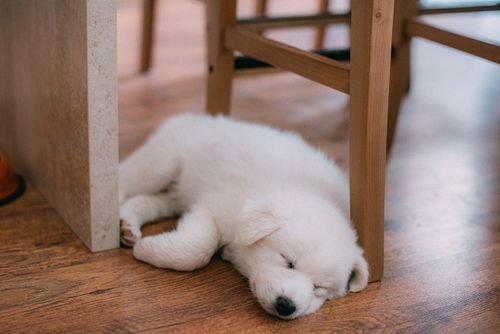
Puppy Sleeping a Lot: How Much Is Normal and When to Call Your UK Vet
Last Updated: June 2026 | Reviewed Against WSAVA and BSAVA Guidelines | Written for UK Puppies & Dog Owners |
Is your puppy sleeping a lot in the UK, leaving you wondering if this deep rest is completely normal or a hidden sign of illness? Most new owners are genuinely surprised by how much their puppy sleeps. It feels excessive. It feels like something must be wrong. In almost every case, it isn’t.
The biology is straightforward. A young puppy’s brain, immune system, bones, and muscles are all developing at a rate that demands significant rest. Sleep is not downtime it is the environment in which growth happens. The cases that actually need attention are identifiable; they come with other clinical symptoms. And when those markers are absent, the sleep is almost always doing its job.
Quick Answer: Puppy Sleeping a Lot UK
Puppies need 18 to 20 hours of sleep per day under 16 weeks. This is normal biology, not illness. If the puppy wakes up alert, eats normally, and plays between naps, there is nothing to worry about. Call your vet if sleep increases suddenly with no clear cause, the puppy will not eat for 12 to 24 hours, or is difficult to rouse.
How Much Do Puppies Actually Sleep?
Puppies need between 18 and 20 hours of sleep per day, particularly in the first few months of life. According to the American Kennel Club, sleep is essential to healthy growth, contributing directly to the development of the central nervous system, brain, immune system, and muscles all of which are still forming in a young puppy.
The PDSA confirms this from a UK veterinary perspective, noting that puppies can sleep 18 to 20 hours a day and that new owners should not be surprised if their puppy prefers to nap, especially after playtime.
Sleep requirements reduce as puppies grow. Until around 16 weeks, some puppies sleep close to 20 hours in a 24-hour period. By 6 months, that typically comes down to 14 to 16 hours. By their first birthday, most dogs settle into the adult average of 12 to 14 hours per day.
If your main concern is a puppy sleeping a lot and the puppy wakes up alert, eats normally, and plays between naps, there is almost certainly nothing to worry about.
Why Is My Puppy Sleeping So Much?
The most straightforward answer: puppies sleep a lot because their bodies require it.
During rest, the brain consolidates memory from training and new experiences, the immune system builds and strengthens, and physical growth continues. Interrupt that process consistently and you get an overtired, difficult-to-train, reactive puppy.
Beyond the basic developmental need, a few other factors commonly increase sleep further:
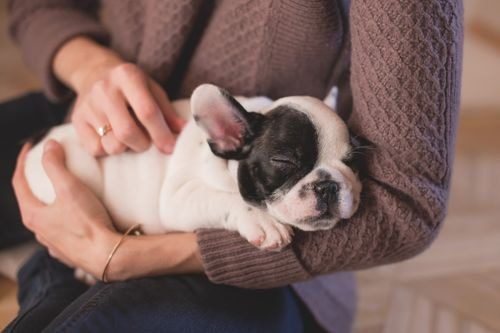
New Home Adjustment
A puppy that has just arrived in a new environment burns through nervous energy rapidly. The first week is often characterised by a cycle of brief, intense activity followed by long recovery naps. The AKC notes that puppies sleep between 15 to 20 hours a day when adjusting to a new home, and this is completely expected.
Physical Exercise and Play
A 30-minute play session can wipe out a young puppy entirely. Their energy reserves are spent quickly and replenished through sleep. This is not a sign of weakness it is how a developing body manages its resources.
Hot Weather
In warmer months, puppies naturally increase resting time as a physiological response to heat. The PDSA PAW Report 2024 notes this is particularly noticeable in short-nosed (brachycephalic) breeds like French Bulldogs and Pugs more in warm weather but drinking normally and showing no other symptoms, heat adaptation is the most likely explanation.
Growth Spurts
During rapid growth phases, typically around 8 to 12 weeks and again at 4 to 5 months puppies tend to sleep noticeably more. The body is working hard. Extra sleep is the expected response.
Puppy Sleeping a Lot After Shots
Puppy sleeping a lot after vaccination is one of the most common post-injection responses and is considered a normal, expected side effect.
The Blue Cross, one of the UK’s leading animal welfare charities, states clearly: mild side effects following vaccination are well recognised, and owners may notice their dog become quieter or sleepier than usual after their injection. These side effects are mild and usually last for around 24 hours.
When a vaccine is administered, the immune system mounts an active response. That process takes energy, and the result is often increased tiredness, reduced appetite, and mild lethargy for 24 to 48 hours. It is the same physiological reason humans feel tired after a flu jab.
Signs that are normal after vaccination:
- Sleeping more than usual for 1 to 2 days
- Mild tenderness or a small firm bump at the injection site
- Slightly reduced appetite for a day
- Lower energy between naps
Signs that require immediate veterinary contact:
- Facial swelling, hives, or itching
- Vomiting more than once
- Difficulty breathing
- Collapse or severe lethargy beyond 48 hours
- Persistent diarrhoea alongside extreme tiredness
The general guidance from UK vets is to stay at or near the practice for at least 30 minutes after vaccination. The most serious allergic reactions though rare typically appear within the first hour. If your puppy is simply sleeping quietly at home that evening, the immune system is doing exactly what it should.
Prolonged Rest Cycles After Deworming Treatment
Deworming treatment causes a similar pattern. The medications used commonly fenbendazole or milbemycin in UK practices work by paralysing or killing intestinal parasites. As the body processes and eliminates them, some puppies experience temporary fatigue, mild stomach upset, and increased sleep.
This usually resolves within 24 to 48 hours. If a puppy is sleeping more than usual but drinking water, passing normal stools, and responding when woken, monitor and wait.
The concern increases if deworming is followed by:
- Bloody diarrhoea
- Persistent vomiting
- Complete food refusal lasting more than 24 hours
- Extreme weakness or unsteadiness on feet
These can occasionally indicate a high worm burden shedding rapidly. Contact your vet if these signs appear.
Excessive Sleep Accompanied by Loss of Appetite
A puppy sleeping a lot and not eating at the same time needs closer attention than either symptom on its own.
When the two appear together especially if they come on suddenly with no obvious trigger like vaccination or deworming the list of possible causes widens and some require prompt action.
Stress or Environmental Change
A puppy adjusting to a new home, new people, or a change in routine can show both reduced appetite and increased sleep. This is usually temporary and resolves within a few days without treatment.
Overfeeding and Digestive Discomfort
A puppy that has eaten too much or received too many treats can feel nauseous and lethargic. Overfeeding puppy symptoms often include loose stools, a bloated abdomen, reluctance to move, and increased sleep alongside reduced appetite at mealtimes.
Hypoglycaemia in Small Breeds
Medical Definition
Hypoglycaemia is a dangerous state of low blood sugar where the brain is deprived of glucose, leading to acute systemic weakness, disorientation, and potential metabolic collapse.
Toy and small breed puppies that skip meals can drop blood glucose rapidly. Hypoglycemia low blood sugar causes weakness, wobbling, excessive sleepiness, and in severe cases, seizures. Research published in Frontiers in Veterinary Science identifies small breed puppies as particularly vulnerable to dangerous blood sugar drops when meals are missed or delayed.
If a small breed puppy is unusually sleepy and has not eaten for more than 12 hours, this is a medical situation that requires immediate veterinary attention.
Canine Parvovirus
Medical Definition
Canine Parvovirus (Parvo) is a highly contagious, life-threatening viral infection that aggressively attacks a puppy’s rapidly dividing cells, primarily targeting the gastrointestinal tract and destroying the bone marrow and immune system.
This is the one owners must not overlook. Parvovirus in puppies can initially present as nothing more than reduced appetite and tiredness. Within hours, it escalates to severe vomiting, bloody diarrhoea, and life-threatening dehydration. The Merck Veterinary Manual classifies parvovirus as one of the most serious infectious diseases in young dogs, with high mortality rates in unvaccinated animals.
If your puppy is not fully vaccinated and is sleeping far more than usual alongside any digestive symptoms, contact a vet the same day do not wait.
Age-Specific Sleep: 8 Weeks to 8 Months
Sleep requirements and patterns shift considerably across the first year.
8-Week-Old (Baseline)
At 8 weeks, total sleep often reaches 18 to 20 hours across a full day, broken into frequent short naps. According to the AKC, this is the developmental baseline for a puppy this age.
A new puppy sleeping most of the day is not ill. It is doing exactly what an 8-week-old puppy should.
2 to 3 Month Old (Vaccination Windows)
Between 2 and 3 months, the sleep pattern stays high at around 18 hours per day, with activity coming in short bursts of 15 to 30 minutes between naps. Vaccination schedules typically fall in this window, except for additional tiredness on injection days, which is completely normal.
4 Month Old (Active Teething Phase)
At 4 months, teething begins in earnest. Gum discomfort can make puppies quieter and more withdrawn than usual. Sleep may increase slightly during active teething periods. Total daily sleep at this age is typically 16 to 18 hours.
6 Month Old (Growth Deceleration)
By 6 months, the rapid early growth phase begins slowing. Sleep naturally starts to reduce toward 14 to 16 hours per day. A 6-month-old puppy sleeping noticeably more than usual all of a sudden is worth monitoring at this age, the developmental explanation is less automatic, and other causes become more likely.
8 Month Old (Transition to Adult Patterns)
At 8 months, most puppies should be settling toward adult-level sleep patterns of 12 to 14 hours. Sleeping significantly more than this consistently, alongside any other changes in behaviour or appetite, is worth raising with your vet, particularly in female puppies, where hormonal changes around the first season can increase fatigue.
When Heavy Sleeping Patterns Become a Clinical Warning Sign
The distinction between normal developmental sleep and concerning lethargy usually comes down to what the puppy is doing when awake.
A puppy that sleeps heavily but wakes up alert, responsive, interested in food, and willing to interact is almost always fine. A puppy that is difficult to rouse, unsteady when up, disinterested in everything including food and people, or showing any physical symptoms alongside excessive sleep that combination needs veterinary attention.
Contact your vet if your puppy:
- Has been sleeping far more than usual for more than 48 hours with no obvious cause
- Is difficult to wake or seems confused when roused
- Has not eaten for more than 24 hours alongside increased sleep (12 hours for toy breeds)
- Shows any vomiting, diarrhoea, or blood in stools
- Is shaking, wobbling, or has a warm dry nose alongside lethargy
- Is not fully vaccinated and suddenly becomes lethargic rule out parvovirus immediately
| Sign | Likely Normal | Needs Vet Attention |
|---|---|---|
| Sleeping 18 to 20 hours under 12 weeks | Yes | No |
| Sleeping more for 1 to 2 days after shots | Yes | No |
| Sleeping more after deworming (24 to 48 hrs) | Yes | Monitor |
| Sleeping more in hot weather, drinking normally | Yes | No |
| Sleeping a lot and not eating over 24 hours | No | Yes |
| Difficult to wake, unresponsive | No | Urgent |
| Sleeping more all of a sudden with no cause | No | Yes (within 24 hrs) |
| Sleeping more alongside vomiting or diarrhoea | No | Yes (same day) |
| Toy breed, 12 plus hours without food, very sleepy | No | Urgent (Hypoglycaemia risk) |
| Unvaccinated puppy, sudden lethargy | No | Urgent (Parvo risk) |
Practical Tips to Support Healthy Puppy Sleep
Over the years of managing young litters and auditing puppy development schedules, we have learned that setting up sleep isn’t just about leaving a bed in the corner. It requires a structured, observational approach to ensure their biological growth environment isn’t accidentally disrupted.
- Protect the ‘Off-Switch’ Environment: Puppies do not have natural self-regulation when overstimulated. We highly recommend setting up a designated, low-traffic rest zone away from family noise. Dropping a lightweight, breathable cover over their crate or pen mimics the secure, dark den environment they instinctively crave, heavily reducing nighttime waking and phantom pacing.
- Enforce the Hands-Off Boundary: The biggest mistake we see new owners make is waking a sleeping puppy for a cuddle or a photo. This directly fractures their deep-stage REM cycles where immune building occurs. Establish a strict household rule: when the puppy is down, they are completely invisible. Let them rouse naturally on their own internal clock.
- Track Exhaustion vs. Actual Fitness: Do not follow arbitrary online formulas like the “5-minute-per-month” walking rule blindly — it has zero functional backing. Instead, look at behavior. If a short play session or training burst ends with the puppy nipping, zooming frantically, or ignoring commands, they are already red-lining into overtiredness. Cut the activity short and transition immediately to down-time.
- Lock Down the Blood Sugar Baseline: Keep a hard, unyielding schedule for mealtimes. Unpredictable feeding gaps screw up their metabolic cycles, leading to unstable blood sugar crashes that present as scary, unprovoked lethargy. A tight feeding routine creates steady, predictable energy peaks followed by deep, restorative recovery naps.
- Log the Shifts, Not the Numbers: Stop obsessing over whether the puppy slept exactly 18 or 19 hours today. Instead, build a mental baseline of what their normal looks like. When we evaluate a pup, we want to know: “Has their deep sleep baseline suddenly shifted by 3 to 4 hours today without an obvious trigger like a long walk or hot weather?” That subtle shift is the true early warning signal your vet needs to know.
Expert Takeaway
UK vets hear the “my puppy sleeps too much” concern constantly in the first weeks after a puppy comes home. Nine times out of ten, the owner walks in worried and walks out reassured. The puppy is fine. It is just growing.
The cases that genuinely need attention are the ones where something else is happening alongside the sleep. They come with other symptoms. They persist beyond 48 hours. They appear suddenly in a puppy that was previously sleeping normally. They occur in unvaccinated puppies or toy breeds with missed meals.
When those markers are absent and the puppy wakes up engaged and hungry, the sleep is almost always doing exactly what it should. Let them rest. Keep meals consistent. Call your vet if anything else changes alongside the tiredness.
Is it normal for a puppy to sleep all day? +
Yes, for young puppies under 16 weeks. Sleep of 18 to 20 hours per day, spread across frequent naps, is developmentally normal and expected as their central nervous system and immune system expand.
Why is my puppy sleeping a lot all of a sudden? +
Sudden increases in sleep with no obvious cause no recent vaccination, no change in routine, or no hot weather warrant a call to your UK vet, particularly if the change is accompanied by reduced appetite or digestive symptoms.
Should I wake my puppy from a nap? +
No. Uninterrupted sleep is vital for brain development and immune function in puppies. Unless it is time for a strictly scheduled meal or necessary toilet break, you should always let them sleep naturally.
My puppy is sleeping a lot and not drinking water should I worry? +
Yes. A puppy refusing water alongside excessive sleep raises an immediate concern for rapid dehydration. This is a clinical warning sign that requires you to contact your vet the same day.
How long is it normal for a puppy to sleep after vaccinations? +
Increased sleep and mild lethargy for 24 to 48 hours after vaccination is a normal immune response. If this intense sleepiness persists beyond two days, or is accompanied by vomiting or facial swelling, contact your vet immediately.
My puppy is sleeping a lot in hot weather is this normal? +
Yes. Puppies naturally rest more in warm temperatures as a physiological response to heat. As long as the puppy is drinking water normally and wakes up alert between recovery naps, increased sleep in hot weather is completely expected.
References and Further Reading
American Kennel Club Expert Advice on Puppy Development and Health Trends 2024
People’s Dispensary for Sick Animals PDSA Guide on First Day and Night Care Checklist for UK Dog Owners
People’s Dispensary for Sick Animals PDSA Clinical Advice on Exercising Your Developing Puppy
PDSA Animal Wellbeing PAW Report Extensive Breed and Health Data 2024
Blue Cross UK Veterinary Practice Guidance on Puppy Vaccinations and Normal Immune Side Effects
Merck Veterinary Manual Comprehensive Entry on Canine Parvovirus Pathopathology
Frontiers in Veterinary Science Clinical Research Paper on Neonatal Hypoglycemia in Small Dog Breeds by Fuchs et al 2024
The Royal Kennel Club Official Veterinary Advisory Guidelines on Puppy Health and Care.