Puppy Not Eating Much But Acting Normal: What It Usually Means and When to Worry
Last Updated: June 2026 | Reviewed Against WSAVA Small Animal Guidelines | Written for UK Dog Owners | Medically Referenced
A young dog turning away from a full bowl while remaining bright and playful leaves most owners thoroughly confused. Discovering your puppy not eating much but acting normal is one of the most common behavioural patterns reported across UK veterinary clinics, usually pointing to minor routine adjustments or teething rather than a medical emergency.
Data from the People’s Dispensary for Sick Animals (PDSA) PAW Report tracks millions of pet dogs in UK households, confirming that erratic feeding phases are incredibly common during the first year of development.
The Psychology of an Alert but Fasting Puppy
An energetic puppy can safely skip a single meal or eat less for up to 24 hours, provided they remain fully hydrated and alert. In these cases, the brain simply prioritizes external stimuli, mild environmental stress, or teething over hunger.
However, this safety window drops significantly by breed size. Small and toy breed puppies under four months burn through energy rapidly; completely refusing food for more than 12 hours can trigger a sudden drop in blood sugar (hypoglycemia), requiring fast intervention even if the puppy initially appears lively.
Why Is My Puppy Not Eating? Common Reasons for High Energy Appetite Loss
When a young dog maintains high energy levels but leaves their food bowl untouched, the root cause is almost always external or developmental rather than systemic disease.
Environmental Stress and Setting In
Moving to a new home, changes in household routine, new people, or the absence of littermates can all suppress appetite temporarily. Case studies from Canines and Pups show this is particularly obvious in the first week or two after a puppy arrives. Most puppies bounce back within 24 to 48 hours once the routine settles.
Overfeeding treats
This factor gets overlooked more than it should. When puppies receive too many rewards during training windows, their caloric needs are partially met before they reach the bowl. The team at Beco Pets notes that this often results in a puppy leaving their main meal untouched while still seeming perfectly happy and content. If you suspect your pup is getting too much food overall, it helps to cross-check this behavior with other common overfeeding puppy symptoms like loose stools or sudden weight spurts.
Post-vaccination response
A mild drop in appetite is a thoroughly recognised side effect of routine vaccinations. As detailed by Great Pet Care, this immune response typically resolves within 24 to 48 hours. If a puppy refuses food for longer than a day after vaccination or seems unusually quiet, a vet call is warranted.
Food freshness or palatability
Dry kibble left in a bowl too long, food stored near moisture, or a bag past its best-by date can cause a puppy to reject meals. Resource materials from Kinship explain that this is partly a natural survival instinct, as dry food usually stays fresh and aromatic for around six weeks once opened.
Recent diet change
A sudden switch between food types or brands commonly causes temporary refusal. The digestive system in young puppies is highly sensitive, and research by Canines and Pups indicates that even a two-day abrupt switch can cause mild nausea or stomach upset that discourages eating.
Picky eating habits
While slightly less common, some puppies develop strict preferences early. Data from Preventive Vet warns that this behavior is usually reinforced if the puppy is regularly given human table scraps, rich wet food supplements, or high-value training treats alongside their standard meals.
Understanding Hydration Choices When Appetite Drops
A puppy refusing food while still drinking water is a reassuring short-term sign. According to PetMD, active thirst suggests dehydration is not an immediate concern and that any underlying nausea is not severe enough to suppress their drive to drink.
However, this does not mean you should wait indefinitely. If a standard-sized puppy goes more than 24 hours without eating—even if they are drinking and acting normal contacting your vet is the safest next step. If the puppy stops drinking water as well, the urgency increases significantly.
The timeline changes completely for smaller animals. Clinical insights from Preventive Vet warn that in toy breeds and very small puppies, even a single missed meal can cause blood sugar levels to drop rapidly. This metabolic vulnerability leads to hypoglycemia much faster than expected, requiring quick attention.
When to Worry About a Puppy Not Eating (Even If They Seem Fine)
The tricky part with young dogs is that they often mask illness well in the early stages. As noted in behavioral resources by Kinship, dogs instinctively suppress visible signs of weakness as a natural survival mechanism. This means a puppy that seems playful and fine on the outside may still be dealing with an underlying issue.
You should contact your vet immediately if you notice any of these thresholds:
- The 24-Hour Rule: The puppy has not eaten for more than 24 hours, regardless of how active or normal they seem, a critical timeline outlined by Great Pet Care.
- Toy Breed Threshold: For toy breeds and tiny puppies, clinical guides from Cesar’s Way advise that 12 hours without food is the maximum threshold before calling a vet.
- Weight Metrics: The puppy is losing weight or plateauing rather than gaining it steadily during their growth phase.
- Secondary Symptoms: Vomiting, diarrhoea, sudden lethargy, or signs of abdominal discomfort appear alongside the reduced eating.
- Fluid Refusal: The puppy stops drinking water entirely, bringing an immediate risk of dehydration.
- No Obvious Triggers: There is no clear lifestyle reason for the appetite change meaning no new environment, no recent vaccination, and no sudden diet change
If your puppy still hasn’t eaten after 24 hours, a vet check is the right next step. Veteris outlines exactly when to seek veterinary attention for appetite loss in dogs and what that assessment typically involves.
Age Specific Reasons: 8 Weeks to 6 Months
Appetite patterns shift considerably as puppies develop. What is normal at 8 weeks is different from what is normal at 6 months.
The 8-Week Transition Phase
At 8 weeks, most puppies have just been separated from their mother and littermates. This transition is significant. Even a well-handled, healthy puppy can take several days to settle into a new home and begin eating consistently. The weaning phase also means their digestive system is still adjusting to solid food, a development phase detailed by Canines and Pups.
Keep meal attempts calm, offer small portions, and do not add flavour enhancers or mix in human food at this stage as it sets a difficult precedent. Consistency in the type of food and feeding location helps more than variety at this age.
Navigating the 10-Week Distraction Window
By 10 weeks, routine is starting to become familiar, but the puppy is still adapting. Appetite can remain inconsistent. At this age, many puppies are still learning how feeding times work, and distractions, new smells, or household activity can pull their attention away from the bowl, according to observations by Preventive Vet.
Feeding in a quiet, consistent spot matters more than most owners realise. Put the bowl down, give the puppy around 15 to 20 minutes, then remove it regardless of whether they ate. Do this consistently and appetite usually regulates within a week or two.
12 Weeks: Early Teething and Discomfort
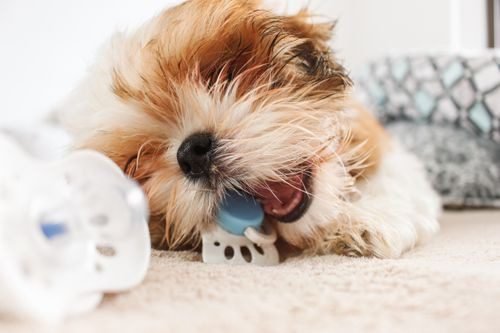
Twelve weeks is when many puppies experience their first food-related stubbornness. It also overlaps with early teething, when primary teeth begin to loosen. Gum sensitivity at this age can make dry kibble uncomfortable, as explained in resource materials by Kinship.
A puppy not eating kibble at 12 weeks is common for this reason. Softening the kibble briefly in warm water (not hot) is a practical short-term solution. It makes eating more comfortable without introducing new food at a sensitive digestive stage.
4 Months: Peak Adult Teeth Eruption
At 4 months, teething becomes the dominant reason for appetite changes in many UK breeds. The adult teeth begin pushing through more actively between 3 and 6 months, and gum inflammation makes chewing harder food genuinely painful at times, which is a well-documented phase highlighted by Cesar’s Way. Spaniel and retriever owners in particular tend to notice this phase more sharply these breeds often chew enthusiastically when teething, then go quiet at the food bowl for a few days as a new tooth comes through.
Chilled, puppy-safe chew toys can help here they soothe inflamed gums and reduce the discomfort that puts a puppy off meals. Wet food or moistened kibble tends to be better tolerated than dry food during this window. If appetite does not recover once teething settles, other causes should be investigated.
6 Months: The Natural Growth Plateau
By 6 months, growth rate starts to slow compared to the earlier rapid phase. A natural decrease in appetite reflects the body’s reduced caloric demand during this transition, as shown in growth metrics by Great Pet Care. This often alarms owners who were used to a puppy that ate enthusiastically at younger ages.
This is the age where overfeeding was actually more common in the preceding months, and the body correcting itself can look like a problem. If your puppy is a healthy weight, energetic, and otherwise well, reduced eating at 6 months is usually not a concern.
Addressing Texture and Diet Preferences
Some puppies are reluctant to eat dry food, especially after being introduced to wet or home-cooked options. Dry kibble is naturally less aromatic, and for a puppy still developing taste preferences, the gap between wet and dry food can be significant.
Wet Food vs. Dry Kibble: What Affects Appetite
Wet food usually wins on palatability because of its strong smell and soft texture, making it easier for teething puppies to consume. However, a puppy fed primarily on wet food often finds plain kibble unappealing by comparison.
Dry food offers better convenience and portion control but requires patience during transitions. Freshness is also key; a bag open for several weeks loses the aroma that attracts a fussy puppy. If your puppy is going off dry food, the most practical fix is checking freshness and trying a warm water soak for a few minutes. If they eat the softened version, the issue is likely texture or aroma rather than the flavor itself.
If your puppy consistently turns away from kibble, try warming it with water to release the scent. As highlighted in practical care tips by Great Pet Care, this small step often improves the response. Any switch to a new brand should be done gradually over 5 to 7 days to prevent digestive upset.
Lastly, avoid adding high-value toppers like cooked chicken to every meal. While this works short-term, resource guides by Kinship warn that it quickly trains a puppy to hold out for better treats instead of eating their balanced meal.
Deciphering Missed Meals or Early Morning Refusal
A puppy skipping breakfast is not uncommon, especially after a heavy evening meal. Some simply aren’t hungry first thing, while others get distracted by a busy morning routine, early exercise, or household noise.
For a healthy puppy over 8 weeks, missing a single meal is generally harmless if they eat the next one normally.
However, timelines change for younger or toy breed puppies. Clinical data published in Frontiers in Veterinary Science (Fuchs et al.) warns that for tiny breeds, skipping even one meal can rapidly trigger dangerous blood sugar instability.
Strategic Adjustments to Re-Engage Your Pup
A few consistent structural changes tend to produce better results than making sudden, reactive adjustments to their diet:
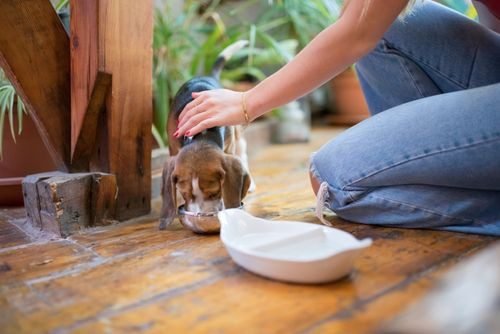
- Stick to a Strict Schedule: Put the bowl down at the same times daily. Give the puppy 15 to 20 minutes, then remove the food. This creates a reliable routine that naturally regulates their appetite.
- Cut Back on Intermittent Treats: Even one or two extra training treats can significantly reduce hunger at mealtime for a small puppy. Track what they get between meals and cut it back first before changing the food.
- Feed Separately from Other Pets: Subtle competition anxiety can easily suppress eating. Other household pets, cats in particular, can create quiet stress around the food bowl without owners realising it.
- Warm the Food Slightly: For wet food or soaked kibble, a quick warm-through increases the aroma and palatability significantly. Always stir the meal thoroughly and check the temperature before offering it.
- Schedule Pre-Meal Exercise: A short walk or active play session right before feeding time naturally stimulates the metabolism and appetite.
- Verify Actual Portion Sizes: Packaging feeding guides are only averages. Many perfectly healthy dogs naturally eat only 60 to 70 percent of the stated box amount while remaining in excellent physical condition.
Troubleshooting Vital Clinical Thresholds
The 24-Hour vs. 12-Hour Veterinary Thresholds
For standard breeds over 8 weeks old, a maximum 24-hour window without food is the safe limit before a vet check is required. However, for toy breeds (like Chihuahuas or Yorkies), this window drops to a strict 12 hours. Their rapid metabolism means skipping multiple meals puts them at immediate risk of sudden low blood sugar (hypoglycemia).
Deciphering Food vs. Treat Selection Behavior
If a puppy rejects their main meals but eagerly accepts training treats, the issue is behavioral, not medical. Over-rewarding with high-value treats naturally makes standard dry kibble unappealing. To correct this, audit their daily treat intake, confirm the core food bag is still fresh and aromatic, and strictly avoid adding table scraps to entice them.
While a minor dip in appetite is often normal for growing pups, tracking their overall energy is vital. If your pup leaves their bowl and you notice them sleeping a lot or acting heavily lethargic, it could indicate a deeper recovery phase or an impending growth spurt. Monitoring these behavioral shifts helps differentiate between a lazy afternoon and a genuine clinical issue. If extreme drowsiness persists beyond 24 hours alongside food refusal, consulting a vet is essential.
Red Flag: The Complication of Co-Occurring Diarrhoea
If a puppy’s temporary lack of appetite is accompanied by diarrhoea, the situation shifts immediately from a behavioral phase to a physical gastrointestinal (GI) upset.
- Mild Cases (Diet & Stress): Loose stools alongside minor food refusal can happen due to a sudden change in kibble brands or the stress of a new environment. This can be monitored closely while offering a bland diet (like plain boiled chicken and white rice).
- Severe Cases (Infections & Parasites): If the puppy is unvaccinated, shows sudden lethargy, or if you spot blood in their stool, this combination is a major red flag for severe infections like Parvovirus or parasites like Giardia.
The Dehydration Danger: Because puppies have very small bodies, diarrhea causes life-threatening dehydration and electrolyte imbalances rapidly. If a puppy stops drinking fluids or displays dry, sticky gums while experiencing diarrhoea, skip home monitoring and seek urgent veterinary care.
Managing Appetite Dips During Major Life Transitions
- The 8-Week Rehoming Phase: Newly arrived puppies often refuse food due to the stress of leaving their litter. This is a normal environmental response. Keep their feeding zone quiet, maintain a fixed schedule, and do not introduce new brands during this transitional window.
- The Hydration Check: A puppy that refuses food but continues to drink water is in a much lower risk category, as hydration prevents immediate metabolic crises. If they stop drinking fluids alongside refusing food, treat it as a medical emergency.
Expert Takeaway
A puppy not eating much but acting normal is rarely the emergency it feels like. Most cases are simply a mix of minor environmental stress, teething, or natural shifts in a young animal’s appetite.
Small Breed vs. Large Breed: The Metabolic Difference
The response to missed meals depends entirely on your puppy’s size:
- Toy & Small Breeds: A Chihuahua or Toy Poodle puppy burns glucose rapidly and has almost no metabolic reserve. Skipping even a single meal can tip them toward low blood sugar (hypoglycemia) within hours. This is why the 12-hour rule exists for toy breeds it matches their specific physiology.
- Large Breeds: A Labrador or Golden Retriever puppy has a much bigger body mass and a slower metabolic rate. For them, missing one meal while remaining playful is genuinely low-risk territory, giving you a full 24-hour window to monitor them.
For further clinical guidance and official veterinary advice on managing sudden changes in your pet’s dietary habits, you can review the comprehensive health hub resources on why a dog isn’t eating properly provided by the PDSA.