
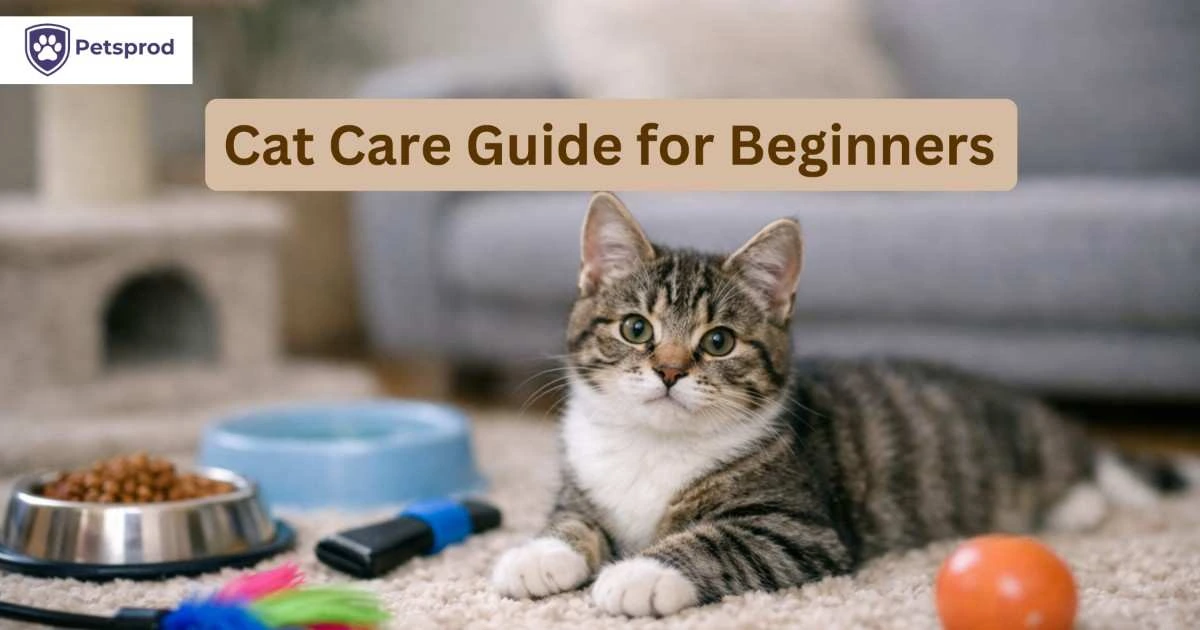
Cat Care Guide for Beginners: The Stress-Free First-Time Owner’s Playbook 2026
What does a new cat actually need in the first few weeks? A lot more than food and a litter tray. A good cat care guide for beginners should help you build a safe home, choose the right food, understand vet care, and avoid the mistakes that stress cats out.
I wrote this like I would explain it to a friend who has just brought a cat home for the first time. In this guide, you’ll learn how to take care of a cat step by step, what basic supplies matter most, how to handle feeding and litter habits, how to keep your cat healthy, and how to read common cat behaviour without panicking. This is a complete cat care guide for beginners, but it stays simple, practical, and realistic. Whether you are adopting a rescue cat, raising a kitten, or becoming a first‑time cat owner, this guide will give you the confidence to start well.
What First‑Time Cat Owners Need to Know
A first‑time cat owner needs more than enthusiasm. You need a simple routine, the right supplies, and patience while your cat settles in. Cats are independent, but they still depend on you for safety, food, health care, and emotional comfort.
The biggest mistake beginners make is treating cats like low‑maintenance pets. They are not. Cats need structure, clean litter, regular feeding, mental stimulation, and vet care. A solid new cat owner guide should focus on comfort, consistency, and prevention rather than rescue work after problems start.
Cats need routine
Cats feel safer when life is predictable. Feed them at roughly the same times each day, keep the litter tray in a quiet place, and avoid sudden changes when possible. Routine lowers stress and helps with feeding, toilet habits, and bonding.
Cats need choice
A cat should always have options. That means more than one resting spot, access to fresh water, and a place to hide if guests or noise make them nervous. This is one of the most overlooked parts of basic cat care for beginners.
Cats need patience
The first days matter. Some cats explore right away, while others hide and watch from a distance. That does not mean they dislike you. It means they are adjusting, and that process should be respected.
Preparing Your Home for a Cat
Preparing your home before arrival makes everything easier. A safe setup helps your cat relax, settle faster, and avoid accidents. This is one of the most practical parts of any how‑to‑take‑care‑of‑a‑cat plan.
You do not need a fancy house. You need a calm space, a few key items, and a layout that supports normal cat behaviour like hiding, climbing, scratching, and resting.
Essential supplies
Start with the basics. Every beginner should have a litter tray, litter, food bowls, a water bowl or fountain, a carrier, a scratching post, a bed, and a few toys. A carrier is not optional; it is essential for vet visits and safe transport.
Safe room setup
If possible, prepare one quiet room for the first few days. Put the litter tray on one side, food and water on the other, and a bed or box somewhere calm. This gives your cat a small territory to understand before exploring the whole home.
Indoor safety checks
Look for hazards before your cat arrives. Tuck away loose wires, remove toxic plants, store cleaning products safely, and block small gaps where a cat could get stuck. Cats are curious by nature, so the safest home is the one that removes easy risks before they happen.
To ensure you haven’t missed any safety steps. The Cats Protection Guide on Preparing for a Cat. This resource, developed by feline welfare experts, provides a detailed checklist for cat-proofing your living space and choosing the right essential supplies.
How to Take Care of a Cat Every Day
Daily care is simple when you turn it into a routine. A complete cat care guide should show you what to do each day, week, and month so you can stay ahead of problems.
The goal is not perfection. The goal is consistency. Small daily habits keep your cat cleaner, calmer, and healthier.
Feeding and water
Feed your cat fresh meals every day and keep water available at all times. Many cats drink more when water is placed away from food bowls or offered in a fountain. Fresh water matters because cats often do not drink enough on their own.
Litter cleaning
Scoop the litter tray at least once a day, and more often if needed. A dirty tray can cause stress, accidents, and behaviour problems. If you have more than one cat, use multiple trays in different locations.
Play and bonding
Cats need to play even if they look independent. Short play sessions with wand toys or small interactive toys help burn energy, reduce boredom, and strengthen trust. For many cats, five to ten minutes of focused play is enough at a time.
Feeding and Nutrition Basics
Nutrition is one of the most important parts of the cat care guide for beginners. Cats are obligate carnivores, which means they need animal‑based nutrients to thrive. Good feeding habits protect weight, energy, digestion, and long‑term health.
A simple feeding plan is better than overcomplicated advice. Focus on complete food, proper portions, and steady access to water.
Choose complete cat food
Look for food labelled “complete” rather than “complementary”. Complete food contains the nutrients a cat needs as a full diet. Complementary food is meant as a topper or treat, not a main meal.
Wet food, dry food, or both
Wet food helps with hydration, which many cats need more of. Dry food can be convenient and easy to portion. Many owners do best with mixed feeding: wet food as the main diet and a small amount of dry food if needed.
Watch portions and body condition
Overfeeding is very common. You should be able to feel your cat’s ribs without pressing hard but not see them sharply. If your cat is gaining weight quickly, reduce food slightly and speak to a vet if needed.
| Feeding Option | Main Benefit | Main Drawback | Best For |
|---|---|---|---|
| Wet food | Higher moisture, often more palatable | It can be pricier and needs refrigeration after opening | Most cats, especially poor drinkers |
| Dry food | Convenient and easy to store | Lower moisture, easier to overfeed | Busy homes and measured feeding |
| Mixed feeding | Balanced and flexible | Needs a little planning | Most first‑time owners |
Foods to avoid
Do not feed onions, garlic, chocolate, grapes, raisins, or cooked bones. Milk is also not ideal for most cats because many are lactose intolerant. When in doubt, keep human food out of the bowl.
Prevention is Better Than Cure: Navigating Vet Care & Vaccines
Health care is a part of basic cat care for beginners that keeps small issues from becoming expensive emergencies. A cat can look fine while still developing hidden problems, so prevention matters more than guesswork.
A new cat owner guide should always include vet registration, vaccination planning, parasite protection, and neutering discussions. These are the habits that support long‑term wellbeing.
Book a vet early
Register with a vet soon after bringing your cat home or before you even collect them. The first vet check-up helps confirm general health, answer your questions, and set a care plan. This is especially important for kittens and rescue cats.
Vaccines and parasite control
Vaccines and parasite control for cats are essential for your pet’s health, as vaccines protect against serious infectious diseases. Flea and worm prevention also matters because parasites can spread fast and cause discomfort, skin issues, or digestive problems. Even indoor cats can need prevention because parasites may come in through shoes, other pets, or open doors.
Neutering and microchipping
Neutering helps reduce roaming, spraying, and unwanted litters. Microchipping helps identify your cat if they go missing. Both are part of responsible ownership, and both matter whether your cat lives indoors or outdoors.
Warning signs to watch
Call a vet if your cat stops eating, hides for unusually long periods, struggles to breathe, vomits repeatedly, has diarrhoea for more than a day, or seems suddenly weak. Cats are good at hiding pain, so changes in behaviour matter.
Register with a vet soon after bringing your cat home to confirm their health, discuss vaccinations, and set up a simple care plan. For more vet‑recommended guidance, you can read the RSPCA Cat Care Guide, which is written and updated by animal welfare experts and veterinary professionals.
Recommended Vet & Charity Resources
- RSPCA – Cat Care Tips
RSPCA cat care advice recommends providing clean water, meat‑based cat food, regular grooming, and private access to a clean litter tray. They also advise registering your cat with a local vet for proper vet care and microchipping. - RSPCA – Kitten Care Guide
The RSPCA kitten care guide explains that every kitten needs a quiet space, safe toys, a scratching post, and a vet registration to help them settle in and stay healthy. - Cats Protection – First‑Time Cat Owners Hub
Cats Protection’s first‑time cat owners hub suggests that every new cat owner should find a vet, create a safe room, and follow simple routines for feeding, litter, and play so their cat feels safe and confident.
These vet‑style organisations provide trusted, simple advice that matches the basics covered in this guide, and they are excellent places to check if you ever have more specific questions during your cat’s life.
Cracking the Cat Code: Understanding Behaviour Your Pet’s Secret Language
Understanding your pet’s behaviour is one of the most underrated parts of how to take care of a cat. Cats communicate through body language, routine, and small changes in mood. Once you learn the signs, your cat becomes much easier to understand.
This is where many first‑time cat owner tips become useful in real life. Behaviour is not random. It usually tells you whether your cat feels safe, stressed, playful, or unwell.
Signs of a relaxed cat
A relaxed cat may blink slowly, hold its tail up, stretch out, or sit nearby without needing attention. These are signs of trust. A slow blink back can be a gentle way to respond.
Signs of stress
A stressed cat may hide, flatten its ears, stop eating, overgroom, or avoid contact. Stress can come from loud noise, a dirty litter tray, new people, or changes in the home. The fix is usually calmness, space, and routine.
Play, hunting, and scratching
Scratching is normal, not bad behaviour. Cats scratch to stretch, mark territory, and maintain their claws. Give them proper scratching posts and interactive toys so they can act like cats instead of damaging furniture.
Settling a rescue cat
A rescue cat may need time before it feels at home. Some hide for days. Others explore quickly but stay nervous. Give them a quiet start, predictable meals, and no forced handling in the beginning.
The Year-Round Guardian: Adapting Your Cat Care to the Seasons
Cats need slightly different care in each season. As the weather changes, their comfort, hydration, grooming, and safety needs also change. If you want to make your cat care guide for beginners more useful, adding seasonal tips is a smart idea.
Spring Essentials:
Spring is often the time when fleas and ticks become more active, so parasite prevention from your vet becomes even more important. If your cat goes outdoors, garden plants and pollen can also cause problems. This is also a good time to brush your cat more often, as shedding usually starts in spring.
Summer Safety:
In summer, cats are more likely to become dehydrated, especially if they are not drinking enough fresh water or eating enough wet food. Always keep fresh water available, and a cat water fountain can help encourage drinking. During hot weather, indoor cats should have a cool, shaded, and airy place to rest.
Autumn Adjustments:
In autumn, temperatures begin to drop, so it is a good time to focus on indoor comfort. Cats may start looking for warmer sleeping spots during this season. It is also a useful time to stay on top of grooming and keep the litter area clean.
Winter Wellbeing:
In winter, cats need extra warmth and more indoor stimulation. Radiators, blankets, and cosy beds can help, but overheating should also be avoided. If your cat has outdoor access, it is important to check for antifreeze, icy paths, and other cold‑weather dangers.
Avoid These Blunders: 5 Mistakes That Stress Out New Cats
Even careful owners make mistakes at first. The good news is that most of them are easy to fix once you know what to look for. A practical cat care guide should include these common errors because prevention saves money, time, and stress.
Changing Too Much at Once:
Do not rearrange everything, switch foods suddenly, or introduce too many new people on day one. Cats cope better when change happens slowly, keep the early routine simple and predictable.
Using the Wrong Litter Setup:
A tray that is too hidden, too dirty, or placed near food can cause accidents. Keep trays clean, quiet, and easy to reach. For multiple cats, follow the “one tray per cat, plus one extra” rule.
Ignoring Enrichment:
A bored cat often becomes destructive, vocal, or restless. Toys, window access, climbing spaces, and play sessions are not luxuries; they are vital parts of a healthy daily routine.
Assuming Indoor Cats Need Less Care:
Indoor cats still need play, grooming, vet visits, and parasite control. While they avoid outdoor dangers, they can still become bored, overweight, or stressed if their indoor environment isn’t set up properly.
Underestimating Home Hazards:
Many beginners forget to “cat-proof.” Leaving toxic plants (like lilies), loose wires, or open windows can lead to emergencies. Treat your home like you would for a toddler; if it’s small, sharp, or toxic, keep it out of reach.
From Nervous Beginner to Confident Cat Owner
A great cat care guide for beginners does not just list supplies. It shows you how to build a safe home, feed properly, understand behaviour, and support your cat’s health from day one. That is what helps a new cat owner feel prepared instead of overwhelmed.
The three things to remember are simple: keep the routine calm and consistent, feed a proper, complete diet, and never skip basic vet care. Your cat cannot tell you what they need, but with the right knowledge, you will always know exactly what to do.
Start small, stay consistent, and trust the process. Every great cat owner was once exactly where you are right now — and your cat is lucky to have someone who cares enough to get it right from day one.
This guide gives you the foundation, but every cat is different. Always consult your vet for personalised advice tailored to your cat’s specific needs, health, and lifestyle.
People Also Ask
What is the first thing a new cat owner should do?
Start with a quiet space, fresh water, a litter tray, and a vet registration. The first day should focus on safety and calm, not excitement. A simple start helps your cat settle faster and reduces fear.
How do I take care of a cat for beginners?
Feed a complete diet, keep clean water available, scoop the litter daily, play a little each day, and book regular vet care. That is the core of how to take care of a cat without making it complicated.
What do first‑time cat owner tips usually miss?
They often miss routine and patience. Many new owners buy supplies but forget that cats need time to adjust. A calm home, predictable feeding, and gentle handling matter just as much as food and toys.
How often should I feed my cat?
Most adult cats do well with two meals a day, though some prefer smaller meals more often. Kittens usually need more frequent feeding. The best schedule depends on age, health, and the type of food you use.
Do indoor cats need vet care too?
Yes. Indoor cats still need vaccinations, check‑ups, dental care, and parasite prevention. Staying indoors reduces some risks, but it does not remove the need for preventive health care.
How long does it take a cat to settle into a new home?
Some cats settle in a few days, while others need several weeks. A rescue cat may take longer than a kitten. The best approach is to give space, keep a routine, and avoid forcing attention too soon.
What is the best food for a beginner cat owner?
The best food is a complete cat food that suits your cat’s age and health. Wet food is often easier for hydration, and mixed feeding works well for many homes. Choose quality, consistency, and portion control over trends.
How can I tell if my cat is happy?
A happy cat often eats well, uses the litter tray normally, grooms, plays, and seeks contact on its own terms. Slow blinking, relaxed posture, and a raised tail are also good signs.
Start with a quiet space, fresh water, a litter tray, and a vet registration. The first day should focus on safety and calm, not excitement. A simple start helps your cat settle faster and reduces fear.
Feed a complete diet, keep clean water available, scoop the litter daily, play a little each day, and book regular vet care. That is the core of how to take care of a cat without making it complicated.
They often miss routine and patience. Many new owners buy supplies but forget that cats need time to adjust. A calm home, predictable feeding, and gentle handling matter just as much as food and toys.
Most adult cats do well with two meals a day, though some prefer smaller meals more often. Kittens usually need more frequent feeding. The best schedule depends on age, health, and the type of food you use.
Yes. Indoor cats still need vaccinations, check‑ups, dental care, and parasite prevention. Staying indoors reduces some risks, but it does not remove the need for preventive health care.
Some cats settle in a few days, while others need several weeks. A rescue cat may take longer than a kitten. The best approach is to give space, keep a routine, and avoid forcing attention too soon.
The best food is a complete cat food that suits your cat’s age and health. Wet food is often easier for hydration, and mixed feeding works well for many homes. Choose quality, consistency, and portion control over trends.
A happy cat often eats well, uses the litter tray normally, grooms, plays, and seeks contact on its own terms. Slow blinking, relaxed posture, and a raised tail are also good signs.