
Hypoglycemia in Puppies: Symptoms, Treatment and the 5-2-1 Rule UK 2026
Last Updated: June 2026 | Written to WSAVA & BSAVA standards | UK Vet-Approved
When a puppy suddenly goes quiet, wobbly, or stops responding, hypoglycemia is often the cause. And in a small breed puppy, it can go from mild to emergency in under an hour.
The good news: caught early, most cases respond within minutes to the right treatment. This UK guide gives you exact steps backed by Frontiers in Veterinary Science and AKC veterinary guidance.
What Is Hypoglycemia in Puppies?
Hypoglycemia simply means low blood sugar. In a healthy dog, blood glucose levels sit between 3.3 and 6.1 mmol/L. When those levels drop below roughly 2.2 to 2.8 mmol/L, the body starts to struggle, and the brain, which relies entirely on glucose for energy, is the first organ to show it.
UK Breeds Most Vulnerable to Hypoglycaemia: Chihuahuas, Yorkshire Terriers, Toy Poodles, Pomeranians, Maltese, Shih Tzus, Maltipoos, Yorkie Poos
Important Safety Window: That said, any puppy under five months old, especially those under 2.5 kg, can develop hypoglycemia if they miss meals, get too cold, or become stressed.
What Does Hypoglycemia Look Like in Puppies?
The signs of hypoglycemia in puppies are easy to miss in the early stages because they look a lot like a tired puppy. That’s exactly what makes this condition so deceptive.
Early signs (mild hypoglycemia)
• Unusual tiredness or general lethargy
• Reduced appetite or complete disinterest in food
• Slight shakiness or muscle tremors
• Glassy or unfocused eyes
• A general lack of responsiveness
Moderate signs
• Visible wobbling or loss of balance when walking
• Twitching or shivering that isn’t cold-related
• Vomiting
• The puppy seems “drunk” disoriented and uncoordinated
Severe signs (emergency)
• Seizures or convulsions
• Collapse or inability to stand
• Unconsciousness or unresponsiveness
• Extremely pale or white gums
• Cold body temperature
Identifying low blood sugar in its early stages can be challenging because the initial symptoms closely mimic normal exhaustion. If you notice your puppy sleeps longer or shows a sudden drop in energy, it is easy to dismiss it as a typical nap phase. Tracking these subtle behavioral shifts is critical to catching metabolic drops before they escalate.
How to Treat Hypoglycemia in Puppies at Home
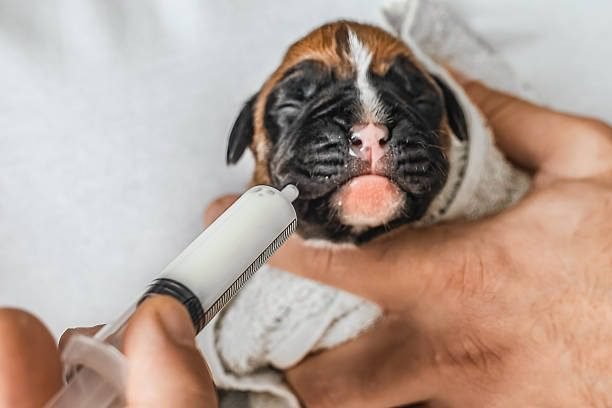
Home treatment is appropriate for mild to moderate episodes where the puppy is still conscious and can swallow. If your puppy is unconscious, seizing, or completely unresponsive, skip straight to the emergency section below.
Step 1: Apply a glucose source to the gums immediately
The fastest way to get sugar into the bloodstream is through the gum tissue, not the stomach. Rub a small amount of one of the following directly onto the puppy’s gums:
• Corn syrup (Karo syrup) the most widely recommended option
• Honey (a small amount never give honey to puppies under 12 weeks due to botulism risk)
• Golden syrup
• Glucose gel or paste (available from most UK pet shops and pharmacies)
• Nutri-Cal or NutriPlus Gel high calorie paste products popular with UK breeders and vets
Step 2: Keep the puppy warm
Hypoglycaemic puppies lose body heat rapidly, and cold temperatures increase glucose consumption even further. Wrap the puppy in a warm (not hot) towel or blanket. You can use a heat pad set to low, but always put a layer of fabric between the pad and the puppy to prevent burns.
Step 3: Once responsive, offer a small meal
As soon as the puppy starts to respond lifting its head, looking around, and showing interest offer a small amount of easy-to-digest food. Wet puppy food, Hills A/D recovery food, or softened kibble are all suitable options.
Don’t push large amounts. During recovery, roughly half the normal daily portion spread across more frequent intervals works best for small inputs every few hours until the puppy is fully stable. Consistency here matters more than volume.
Step 4: Monitor closely for the next 24 hours
Even after recovery, watch the puppy carefully. A single episode often points to an underlying feeding gap, but it can also be a sign of something that needs a vet’s attention, particularly if the puppy has been sick, stressed, or recently brought home.
When to Call the Vet Immediately
Certain situations cannot wait. Get to a vet or an emergency animal hospital without delay if:
• The puppy is unconscious or unresponsive
• Seizures are present or have just occurred
• The puppy doesn’t improve within 10 to 15 minutes of home treatment
• The body feels cold to the touch
• The gums are white, blue, or very pale
• The puppy vomits repeatedly and can’t keep any food or liquid down
• You know or suspect the puppy has ingested xylitol or another toxin
At the clinic, treatment will typically involve an intravenous dextrose (glucose) drip to stabilise blood sugar levels directly, warming support, and blood glucose monitoring until the puppy is stable and eating reliably on its own. Most puppies treated promptly recover fully.
Root Causes: From Xylitol Toxins to Hunting Dog Hypoglycemia
Understanding what causes hypoglycemia in puppies matters because the treatment and prevention strategy changes depending on the root cause.
Juvenile Hypoglycemia
The most common cause in puppies under five months. Their immature liver simply can’t maintain blood glucose levels during gaps between meals, especially if they’re small, cold, or stressed. This is the type most UK puppy owners will encounter.
Missed or Inadequate Meals
A puppy that misses even one meal can dip into dangerous territory. This is especially true in the first few weeks after bringing a puppy home, when stress, unfamiliar surroundings, and disrupted feeding schedules combine.
Stress
Stress is a significant trigger that many guides overlook. A long car journey, a vet visit, a change in environment, or the presence of other animals can spike glucose consumption rapidly. Toy breed puppies are particularly sensitive to this.
Infections and Illness
Bacterial infections redirect glucose away from normal body functions toward fuelling the infection itself. Puppies with recurring hypoglycemia are sometimes given a short course of antibiotics to rule this out. Gastrointestinal issues particularly vomiting and diarrhoea cause in puppies rapid fluid and glucose loss, which can trigger a hypoglycaemic episode within hours.
Portosystemic Shunts (Liver Shunts)
Puppies with a liver shunt have an abnormal blood vessel that bypasses the liver. Glucose regulation is compromised, and hypoglycemia is one of the signs that alerts vets to the possibility. Breeds like Yorkshire Terriers have a known hereditary predisposition.
Toxins That Cause Hypoglycemia in Dogs
The Merck Veterinary Manual says Xylitol is the most dangerous and increasingly common toxic cause of hypoglycemia in dogs in the UK. It’s found in sugar-free chewing gum, some peanut butters, oral health products, baked goods labelled “no added sugar,” and even some vitamins and medications.
When a dog ingests xylitol, the pancreas releases three to seven times the normal amount of insulin within 30 to 60 minutes, causing a profound drop in blood sugar. Unlike simple juvenile hypoglycemia, xylitol poisoning can also cause acute liver failure within 12 to 48 hours. This is a veterinary emergency with no safe home treatment option.
Other toxic causes include certain mushrooms, sago palm ingestion, and in supervised medical settings insulin overdose in diabetic dogs.
Always check labels before allowing a puppy near any human food product. If xylitol ingestion is suspected, call the Animal Poison Line in the UK immediately.
Hunting Dog Hypoglycemia
This is a specific condition seen in highly active working breeds particularly Pointers, Setters, Spaniels, and similar hunting dogs that develop hypoglycemia during or after intense, sustained exercise. The underlying mechanism isn’t always the same as juvenile hypoglycemia. Prevention in working dogs centres on proper pre-exercise feeding (a meal with complex carbohydrates 2 to 3 hours before activity), consistent conditioning, and carrying a glucose supplement in the field kit.
Addison’s Disease and Hormonal Causes
Hypoadrenocorticism (Addison’s disease) can cause low blood sugar in adult dogs and, less commonly, in older puppies. It’s worth ruling out if a puppy has repeated unexplained episodes despite proper feeding.
Hypoglycemia in Newborn Puppies
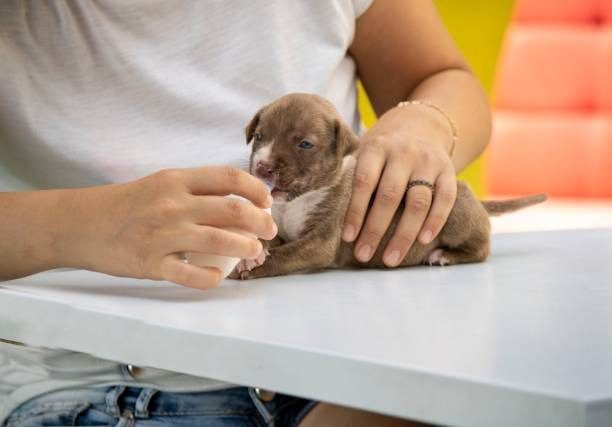
Signs in neonates are slightly different from older puppies. They may stop nursing, cry persistently, feel cold to the touch, or become limp and unresponsive. Any neonate that isn’t gaining weight or nursing frequently needs immediate attention.
Treatment for newborn puppies usually involves warming them gently first, then offering a glucose solution by dropper or stomach tube under veterinary guidance. A chilled puppy that can’t nurse needs warmth before food. A cold puppy can’t digest properly, and force-feeding when cold can cause aspiration.
These figures illustrate how common and easily missed this is in very young animals.
In newborn puppies, the main risk factors are:
• Low birth weight (often called “fading puppy syndrome”)
• Failure to nurse effectively
• Being separated from the dam
• Cold environment (neonates can’t regulate their own temperature)
• Prolonged labour or caesarean section
The 5-2-1 Rule: A Gold Standard for Puppy Hypoglycemia Management
The 5-2-1 rule is a practical feeding framework used by experienced breeders and recommended by several veterinary practices for managing at risk toy breed puppies.
The 5-2-1 Rule
- Feed 5 times per day during the highest-risk period (typically weeks 4 to 12 of life, or whenever the puppy is under stress)
- Every 2 to 3 hours when the puppy is awake and active
- 1 teaspoon of Nutri-Cal or glucose supplement given if a meal is missed or the puppy seems lethargic
The core principle is keeping blood glucose stable through regular input rather than trying to manage crashes after they happen. This matters particularly during transitions the first week home from the breeder is often the highest risk period because everything changes at once.
The 5-2-1 rule makes clear that the answer is never about bigger portions it’s about consistent, timed, small inputs that keep blood glucose from dipping between meals.
There’s a common source of confusion among new puppy owners: the assumption that feeding more always protects against hypoglycemia. This isn’t accurate, and getting the balance wrong in either direction causes problems.
Signs of Overfeeding in Puppies
Check our complete breakdown on overfeeding puppy symptoms if you notice any of these warning signs:
• Loose stool or puppy diarrhoea
• Vomiting after meals
• Bloated or uncomfortable-looking abdomen
• Poor coat quality over time
• Abnormal weight gain
Overfeeding puppy diarrhoea is particularly common when owners interpret lethargy or low appetite as a sign that a puppy needs more food and increase portion sizes in response. This can create a cycle: the puppy’s gut becomes overwhelmed, leading to loose stools, which then cause dehydration and glucose loss ironically increasing the risk of hypoglycemia. If not managed, this severe irritation can eventually lead to blood in the stool.
The Right Approach
The goal isn’t volume it’s frequency. A small breed puppy typically needs 40 to 55 kcal per kilogram of body weight per day, spread across four to six small meals. This caloric target not portion size alone is the figure to start from. Consistent, regular feeding does far more to prevent hypoglycemia than larger, infrequent meals. For exact gram amounts by breed and age, see our complete puppy feeding guide.
If a puppy seems disinterested in food, don’t push larger portions. Instead, soften the kibble with warm water or low-sodium chicken broth, try a small amount of wet food, or offer a puppy specific liquid nutrition supplement to maintain intake.
How to Prevent Hypoglycemia in Puppies Long-Term
For toy breed puppies under 12 weeks, four to six small meals a day is the standard recommendation. As puppies mature and their liver function improves, this can reduce to three meals daily around the four to five month mark.
Keep the puppy warm. A cold puppy burns glucose faster than a warm one. Ensure sleeping areas are draught-free and appropriately heated. Small puppy jumpers and coats aren’t purely aesthetic they genuinely help maintain body temperature in very small breeds.
Manage stress. Major life transitions coming home from the breeder, vet visits, changes in household routine should be managed carefully for toy breed puppies. Keep these puppies well-fed before and after stressful events.
Have a glucose supplement in your puppy kit. Nutri-Cal, NutriPlus Gel (available from Viovet, Pets at Home, and most UK veterinary practices), or even a small bottle of corn syrup should be part of every small breed puppy owner’s kit.
Monitor for illness early. Vomiting or diarrhoea lasting more than a few hours in a small puppy isn’t something to wait out. It causes glucose loss quickly. Contact your vet early in the day rather than waiting to see if it resolves overnight.
Avoid xylitol-containing products entirely. Check peanut butter brands carefully some popular UK brands do contain xylitol. Keep sugar-free gum and mints out of reach. Check labels on any chewable vitamins or dental products accessible to your dog.
Puppy-proof for toxins generally. The Animal Poison Line and VPIS (Veterinary Poisons Information Service) are excellent UK-specific resources if you’re unsure whether something your puppy has eaten poses a risk.
Juvenile Hypoglycemia in Puppies: What’s Different
Juvenile hypoglycemia specifically refers to the form that affects young puppies due to developmental immaturity rather than any underlying disease. It’s the most common presentation and, in most cases, the most straightforward to manage.
What distinguishes juvenile hypoglycemia from other types:
• It tends to resolve naturally as the puppy matures (typically by 4 to 5 months of age in toy breeds)
• It’s directly linked to feeding patterns rather than disease
• It responds well to dietary management without long-term medication
• It doesn’t usually recur if proper feeding routines are maintained
However, recurrent episodes of juvenile hypoglycemia particularly if they happen despite regular feeding should prompt a vet check to rule out a liver shunt, underlying infection, or intestinal parasites.
Common Mistakes Puppy Owners Make
Waiting too long to act. Hypoglycemia can go from mild to severe in under an hour in a small puppy. If something looks wrong, act now and monitor closely rather than “keeping an eye on it”.
Using sugar-free products during treatment. In a panic, people sometimes reach for whatever is in the kitchen. Anything labelled “no added sugar” or “sugar-free” may contain xylitol. Use only plain corn syrup, honey (for puppies over 12 weeks), or a purpose-made glucose product.
Skipping vet follow-up after an episode. A single episode tells you there’s a vulnerability. A vet can assess whether the root cause is purely dietary or whether there’s something else going on.
Assuming toy breed puppies will simply “eat when they’re hungry.” They often won’t particularly when stressed or cold. Unlike larger breed puppies, toy breeds don’t have the reserves to wait. They need proactive feeding, not demand feeding. If you’re unsure where to start, directly with your vet at the first appointment is one of the most important things a toy breed owner can do.
Not keeping the puppy warm enough. Cold stress increases glucose demand and reduces appetite at the same time the worst possible combination. Many first-time owners of small breeds underestimate how quickly these puppies chill down.
Key Takeaways:What Every UK Puppy Owner Must Know
- Hypoglycemia in puppies is a drop in blood glucose below safe levels, most commonly seen in toy and small breeds under five months old.
- The earliest signs lethargy, wobbling, disinterest in food can look like a tired puppy. Don’t dismiss them in a small or young dog.
- For mild to moderate episodes, rub corn syrup or glucose gel directly onto the gums immediately. This works faster than feeding because the gum tissue absorbs glucose directly.
- Keep the puppy warm throughout treatment.
- Severe episodes with seizures, unconsciousness, or no response to home treatment require emergency veterinary care without delay.
- Xylitol causes profound hypoglycemia in dogs within 30 to 60 minutes of ingestion. It cannot be treated at home. Call the Animal Poison Line immediately.
- Hunting dog hypoglycemia is a separate condition in working breeds and requires pre-exercise feeding and field glucose supplementation.
- Prevention comes down to frequent small meals, warmth, stress management, and having a glucose supplement on hand at all times.
- How to treat hypoglycemia in puppies starts with preparation knowing the signs before they appear and having the right products ready.
UK Vet-Approved Hypoglycemia in Puppies FAQs
How do I know if my puppy has hypoglycemia?
The most common signs are sudden lethargy, wobbling or poor coordination, trembling, disinterest in food, and a glassy look in the eyes. Severe cases involve seizures or collapse. If your small breed puppy goes quiet unexpectedly or stops moving normally, check when they last ate and consider rubbing a small amount of corn syrup on their gums as a precaution.
What is the 5-2-1 rule for hypoglycemia?
The 5-2-1 rule is a feeding and supplementation guideline used for at-risk toy breed puppies. Feed five times per day, every two to three hours during waking periods, and give one teaspoon of Nutri-Cal or glucose paste if a meal is missed or if the puppy seems lethargic. It’s widely used by breeders in the UK and US to prevent episodes during the highest-risk early weeks.
What causes hypoglycemia in newborn puppies?
In newborn puppies, the most common causes are failure to nurse adequately, low birth weight, cold exposure, and separation from the mother. Research from 2024 found that around 74% of neonatal puppies brought in for any health concern have measurable hypoglycemia.
Can I treat puppy hypoglycemia at home?
Mild to moderate cases where the puppy is still conscious can be managed at home by rubbing corn syrup or glucose gel on the gums, keeping the puppy warm, and offering a small meal once responsive. If there’s no improvement within 10 to 15 minutes, or if the puppy is unconscious or having seizures, this is a veterinary emergency.
How much should I feed my puppy to prevent hypoglycemia?
For toy breed puppies under 12 weeks, four to six small meals daily is the standard recommendation. A small breed puppy typically needs 40 to 55 kcal per kilogram of body weight per day.
What toxins cause hypoglycemia in dogs?
Xylitol is the most common toxic cause. It’s found in sugar-free gum, some peanut butters, dental products, and no-added-sugar baked goods. Xylitol causes a massive insulin spike that crashes blood glucose rapidly. Other causes include certain mushrooms and, in medical settings, insulin overdose.
How common is hypoglycemia in puppies?
It’s among the most common medical issues seen in toy breed puppies under five months old. Studies show approximately 74% of neonatal puppies presenting to veterinary care for any reason have some degree of hypoglycemia.
What does hypoglycemia look like in puppies versus overfeeding?
Hypoglycemia presents as lethargy, wobbling, trembling, and potentially seizures. Overfeeding symptoms include loose stool, vomiting after meals, and a bloated appearance. These can overlap diarrhoea from overfeeding can actually trigger hypoglycemia by causing glucose loss so it’s important to assess both and adjust the feeding approach accordingly.
How often should I feed my puppy to prevent hypoglycemia?
Feed small breed puppies four to six times daily until at least 12 weeks of age. Keep them warm, minimise stress, avoid missing meals, and keep a glucose supplement on hand. Check all human foods for xylitol before offering anything to a dog.