
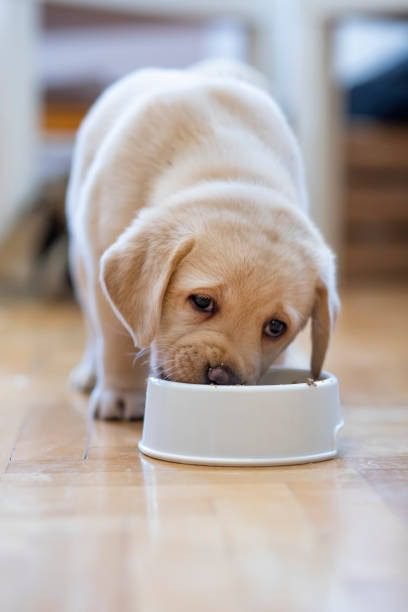
How Much Should I Feed My Puppy? – Feeding Guide
Last Updated: June 2026 | Written to FEDIAF & WSAVA nutritional standards | Always consult your vet for individual advice.
Figuring out how much to feed your puppy is one of the first things every new UK dog owner gets wrong and it’s completely understandable.
You’re standing in your kitchen at 7 a.m., staring at a bag of kibble, thinking, How much of this do I actually give them?
Too much and you risk joint problems, digestive issues, and a puppy growing too fast for their own bones. Too little and they miss the nutrition they desperately need.
This UK guide gives you exact answers. Gram-by-gram feeding charts, breed-specific amounts for Labs, Frenchies, GSDs and more, plus raw feeding guidance.
No guesswork. Just clear, vet-aligned answers for your puppy.
Why Puppy Nutrition Is Different From Adult Dog Food

Puppies aren’t just small dogs. Their bodies are doing something pretty extraordinary growing at a rate that, if applied to humans, would have us hitting full adult size before we even started school.
A Labrador puppy can go from around 500g at birth to 30kg in under a year. That kind of growth demands serious nutritional support. Specifically, puppies need more protein, more calcium, and more calories per kilogram of body weight than adult dogs.
WSAVA global nutritional guidelines confirm that growing dogs have fundamentally different dietary requirements from adult dogs and that one-size-fits-all feeding approaches fall short for puppies.
Why You Can’t Just Feed Them Adult Food
Adult dog food doesn’t contain the right balance of calcium and phosphorus for growing bones. Feed a large breed puppy adult food and you risk skeletal problems especially in breeds like German Shepherds and Cane Corsos where rapid growth already puts pressure on joints.
Puppy-specific food is formulated to support all of this. And for large breeds, look for food labelled “large breed puppy”; specifically, the calcium ratios are different and it genuinely matters.
Calories vs Portion Size
Here’s something most guides skip. The number of calories your puppy needs matters more than the cup or gram measurement on its own. A premium kibble like Purina Pro Plan has significantly more calories per 100g than a budget brand. So if you switch foods, the gram amounts will change too.
Always check the caloric density (kcal per 100g) on the packaging and adjust accordingly.
At 8 Weeks vs 6 Months Your Puppy Needs a Very Different Routine
How often you feed matters as much as how much. A young puppy’s stomach is tiny. It can’t hold large amounts at once, and blood sugar drops can happen fast.
6 to 12 Weeks Old: Four Meals a Day
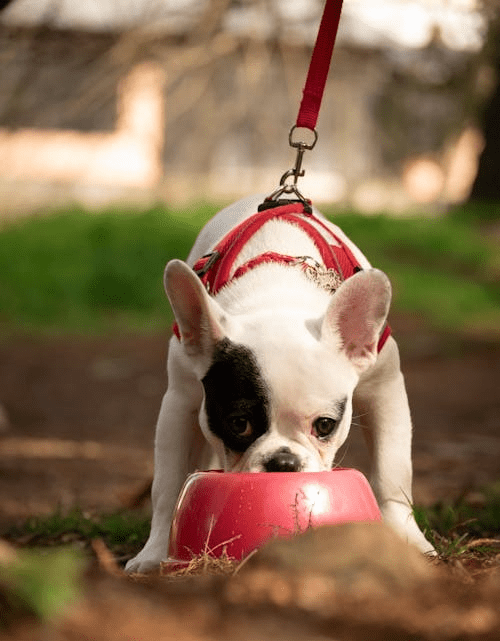
At this age, puppies need feeding four times a day. No exceptions. They’ve only just left their mother and their digestive systems are still adjusting. Smaller, more frequent meals keep their energy stable and reduce the risk of hypoglycemia, which is a real risk in small breeds like Dachshunds and French Bulldogs.
Stick to the food your breeder was using for at least the first week. Switching abruptly causes stomach upset and you really don’t want to be cleaning that up every morning.
3 to 6 Months Old: Three Meals a Day
Drop to three meals a day. By this point most puppies are comfortable with a rhythm. Morning, midday, and evening work well for most households. This is also around the time teething kicks in so don’t be surprised if appetite dips a little.
6 to 12 Months Old: Two Meals a Day
Two meals a day is the standard from around six months. Some smaller breeds may benefit from staying on three meals a little longer.
Heads-up for Toy Breeds:
Tiny pups (like Chihuahuas or Toy Poodles) have zero fat reserves. Their blood sugar can drop dangerously fast, so the 4-meal-a-day rule is essential until they are at least 5 months old.
Over 12 Months
Most dogs can move to adult feeding at this point. Exceptions include large and giant breeds like Great Danes and Mastiffs, which are sometimes kept on puppy food until 18 to 24 months because their growth period is longer.
Hypoglycemia in Puppies: When Low Blood Sugar Becomes an Emergency

Small and toy breed puppies have almost no fat reserves to fall back on, which means a missed meal or a stressful afternoon can send their blood sugar crashing fast. Hypoglycemia in puppies particularly Chihuahuas, Dachshunds, French Bulldogs, and Toy Poodles is one of the most common and most preventable emergencies seen in the first five months of life. If your puppy suddenly goes quiet, starts wobbling, or loses interest in food, low blood sugar is the first thing to rule out.
Puppy Food Feeding Chart by Weight
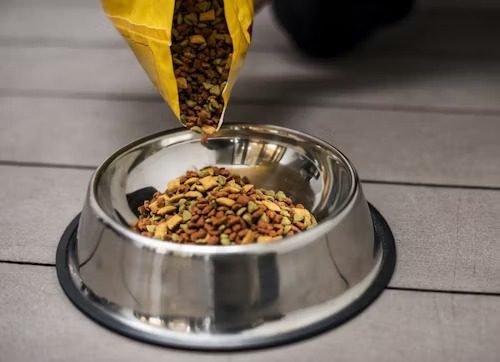
How much should I feed my puppy by weight? A 5kg puppy needs 100–150g of premium dry kibble daily. A 10kg puppy needs 175–230g. Always adjust based on the food’s caloric density (kcal per 100g).it depends on their expected adult weight and current age. Most good quality puppy foods will have a feeding guide on the bag use it as a starting point. Every puppy is different. A very active Border Collie puppy will burn more calories than a sleepier Basset Hound of the same weight.
General Dry Kibble Feeding Chart (Grams Per Day)
Based on a standard premium kibble at around 350 kcal per 100g. If your food has a different caloric density, adjust accordingly.
How to Feed a Puppy by Weight in KG
A commonly used formula is roughly 5–10% of body weight per day for very young puppies, dropping to around 3–5% as they get older. Raw feeders use this formula a lot.
The best approach: weigh your puppy regularly, check the food manufacturer’s chart, and monitor their body condition. You should be able to feel their ribs without pressing hard. Not seeing them, but feeling them.
Breed Makes a Huge Difference Here’s What the Numbers Say
Different breeds have completely different nutritional needs. A French Bulldog and a Labrador are not the same animal in this respect. Here’s what you need to know for the most popular UK breeds.

Golden Retrievers: Managing Growth and Joint Health
Golden Retrievers are medium to large dogs with a notorious tendency to overeat. They’re also prone to hip and elbow dysplasia, so keeping them lean during puppyhood genuinely reduces long-term health risks.
Labradors: Navigating the Genetic Appetite
Labradors are arguably the breed most prone to obesity in the UK. A 2019 study published in Cell Metabolism found that a significant proportion of Labradors carry a gene mutation (POMC deletion) that affects how they feel full meaning they genuinely don’t get satiated the same way other dogs do.
German Shepherds: Protecting Fast-Growing Joints
German Shepherd puppies grow fast and are prone to joint problems if they grow too fast. Large breed puppy food specifically is worth the investment for GSDs.
Dachshunds: Preventing Excess Weight for Spinal Health
Dachshunds are small dogs with a big appetite and a spine that doesn’t forgive excess weight. Keeping a Dachshund lean isn’t vanity it’s spinal health. Mini Dachshund puppies need even less often 30–50 g/day total at the peak puppy stage.
French Bulldogs: Preventing Bloat and Swallowed Air
French Bulldogs are brachycephalic and have specific digestion quirks they swallow a lot of air when eating, which causes bloating. Smaller, more frequent meals help. Slow feeders or puzzle bowls are surprisingly effective for Frenchies.
Cane Corsos: Giant Breed Requirements Up to 18 Months
Cane Corsos are giant breed dogs and this completely changes how you approach puppy feeding. Rapid growth in puppyhood directly increases the risk of hip dysplasia and OCD. Cane Corsos stay on giant breed puppy food until around 18 months.
Pitbulls: High-Protein Diets for Muscle Development
Pitbull puppies are energetic and muscular they need a protein-rich diet to support muscle development. Look for puppy food with at least 28–30% protein.
Cocker Spaniels: Managing the Famous “Foodie” Appetite
These guys are famous “foodies.” They’ll act hungry even when they’re full, so stick strictly to these daily amounts:
Raw Food for Puppies How Much and How Often
Raw feeding is genuinely popular in the UK. The idea of feeding something close to what dogs evolved to eat makes intuitive sense. But it does require more planning than kibble.
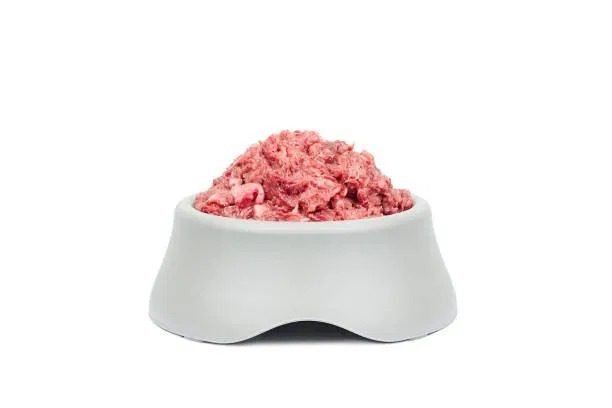
How Much Raw Food Should I Feed My Puppy?
The standard guideline for raw puppy feeding is 5–10% of current body weight per day, depending on age and activity level.
• Under 4 months: 8–10% of body weight
• 4–6 months: 6–8% of body weight
• 6–12 months: 4–6% of body weight
So a 5kg puppy at 3 months would need roughly 400–500g of raw food per day, split across 3–4 meals.
The Golden 80/10/10 Rule for Puppies
If you’re going the DIY route, you need to be precise. Most experienced UK raw feeders stick to the “80/10/10” ratio to make sure their pup is getting a balanced diet for growth:
- 80% Muscle Meat: This is your main protein source think chicken, beef, lamb, or turkey.
- 10% Raw Meaty Bones: Soft, edible bones like chicken wings or necks are great, just make sure they’re size-appropriate for your pup.
- 10% Organ Meat: This must be split into 5% liver and 5% other secreting organs, like kidney or spleen.
The British Veterinary Association (BVA) does emphasize being extra careful with hygiene when handling raw meat around puppies. For most first-time owners, sticking to a reputable “complete” raw brand is the safest and easiest way to go.
Important Note on Raw Feeding Safety
The British Veterinary Association states that raw pet food poses genuine bacterial risks particularly Salmonella and E. coli and advises extra caution for puppies whose immune systems are still developing. Sourcing from reputable UK suppliers and maintaining strict hygiene are essential steps.
Raw feeding does carry some risk. Buy from reputable suppliers, keep surfaces clean, and wash your hands.
For most first-time puppy owners in the UK, a high quality complete dry food is the most practical starting point. Something like Purina Pro Plan Puppy, Royal Canin breed-specific, Burns Puppy, or Skinners is perfectly good.
Mixing Wet and Dry Food
Totally fine and often a good idea. If wet food makes up 25% of the meal, reduce the kibble by 25%. Total calorie intake should stay the same.
Signs of Overfeeding a Puppy: When Too Much Food Becomes a Problem
Signs of overfeeding a puppy are easier to miss than most owners expect because a chubby puppy can still look perfectly healthy on the outside. The most common signs include loose or frequent stools, a visibly bloated belly, vomiting shortly after meals, excessive flatulence, and weight gain that outpaces their growth chart. Over time, overfeeding puts direct pressure on developing joints and bones a serious concern for larger breeds like Labradors, Golden Retrievers, and German Shepherds who are already prone to hip and elbow problems. The fix is simpler than it sounds: weigh your puppy weekly, use the body condition score, and measure every meal rather than eyeballing portions. If the ribs are getting harder to feel, pull back portions by 10% and recheck in two weeks. Getting this right early is one of the most important things you can do for your puppy’s long-term health.
Puppy Diarrhoea After Eating: When Is It Overfeeding?
It is incredibly common for new owners to panic when a puppy develops loose stools. If your puppy has sudden diarrhoea but seems otherwise bright, playful, and energetic, the culprit is often overfeeding. When a puppy’s digestive system is overloaded with more kibble or raw food than it can process, the gut fast-tracks the food out, resulting in diarrhoea.
However, if the diarrhoea lasts more than 24 hours, contains blood, or is accompanied by lethargy, it could signal parasites or an underlying infection.
Body Condition Scoring for Puppies

The standard body condition score (BCS) runs from 1 to 9. You want your puppy sitting at a 4 or 5.
Other Signs to Watch
Loose, frequent stools are often a sign of overfeeding or food that doesn’t suit your puppy. Lethargy, a distended belly, and excessive flatulence can all signal too much food.
On the flip side, constant searching for food and eating grass frantically isn’t always hunger it can just be puppy behaviour. Check the BCS before bumping up portions.
While this guide covers the essentials, every puppy is an individual. For more detailed advice on specific health concerns or breed-specific dietary quirks.W e highly recommend checking out the official Blue Cross puppy feeding advice. They are one of the UK’s most trusted animal charities and provide excellent, vet-approved resources for new owners.
Quick Tip: Feel your puppy’s ribs. If they feel like the back of your hand (your knuckles), they are at a perfect weight. If they feel like your palm, they’re too heavy; if they feel like the actual knuckles on a fist, they’re too thin.
Feeding your puppy well isn’t complicated it just takes a little consistency.
Start with the chart, weigh your puppy weekly, and trust what you feel. Ribs easy to feel? You’re on track. Can’t feel them at all? Pull back slightly. Seeing them clearly?
Three things to remember:
Feed by age and expected adult size not by what your puppy asks for
Measure every meal eyeballing portions is where most owners go wrong
Adjust every few weeks puppies grow fast, portions need to keep up
And if you’re ever unsure a quick weight check at your local UK vet is free and takes five minutes. Getting this right early sets your puppy up for a healthy, happy life.
References & Further Reading
- UK Pet Food Puppy Nutrition & Weight Management Guidelines
- The Royal Kennel Club UK New Puppy Feeding, Health & Nutrition Guide
- WSAVA (World Small Animal Veterinary Association) Global Nutritional Assessment Guidelines & Checklists
- Royal Canin UK Puppy Development & Growth Science Guide
Author

Similar Posts
Can Puppies Eat Raw Food? UK Safety Guide
Can puppies eat raw food? Yes, and honestly, more puppies thrive on it than most people expect. A properly balanced raw diet supports stronger gut health, leaner growth and better coat condition from the very first weeks of life. But get the balance wrong and the consequences are serious. Permanent skeletal damage, bacterial infection in…
Can overfeeding a puppy cause blood in the stool? Vet – Backed Explanation
Can Overfeeding a Puppy Cause Blood in Stool? Yes, and it happens more often than most dog owners realize. We’ve all been there—those innocent puppy eyes staring you down during dinner, and before you know it, you’ve shared “just one more bite.” But when you wake up the next morning to find a spot of…
How Much & How Often To Feed Small Breed Puppies? 2026 Chart
How much and how often to feed small breed puppies is probably the first big question you have, and it makes complete sense that it feels overwhelming. You’re standing in your kitchen, a tiny scoop in your hand, your new puppy staring up at you like you hold all the answers. Nobody handed you a…
How Often Should a Puppy Be Fed for Optimal Growth?
How often should a puppy be fed for optimal growth? When you bring a new puppy home, the first question is, When you feed your little friend during the day, it’s not just about filling the bowl; it’s the foundation of his health and future. Just like we pay attention to both routine and nutrition…
How Much Raw Food to Feed a Puppy | UK Guide
How much raw food to feed a puppy is the question that shapes your dog’s entire first year, their bone density, joint development, immune strength, and long-term health. Yet a 2023 survey by the UK Raw Feeding Veterinary Society found that nearly 60% of owners who switched to raw underestimated how much portion requirements shift…
Diarrhoea in Puppies UK: Causes, Treatment and When It Becomes
Last Updated: June 2026 | Written to WSAVA & BVA standards | UK Vet-Approved Quick Answer: Puppy Diarrhoea UK Nine times out of ten, it’s the food. A sudden diet change, overfeeding, or stress from a new home and the gut reacts fast. Bland diet: plain boiled chicken and white rice, small portions. Add Pro-Kolin…