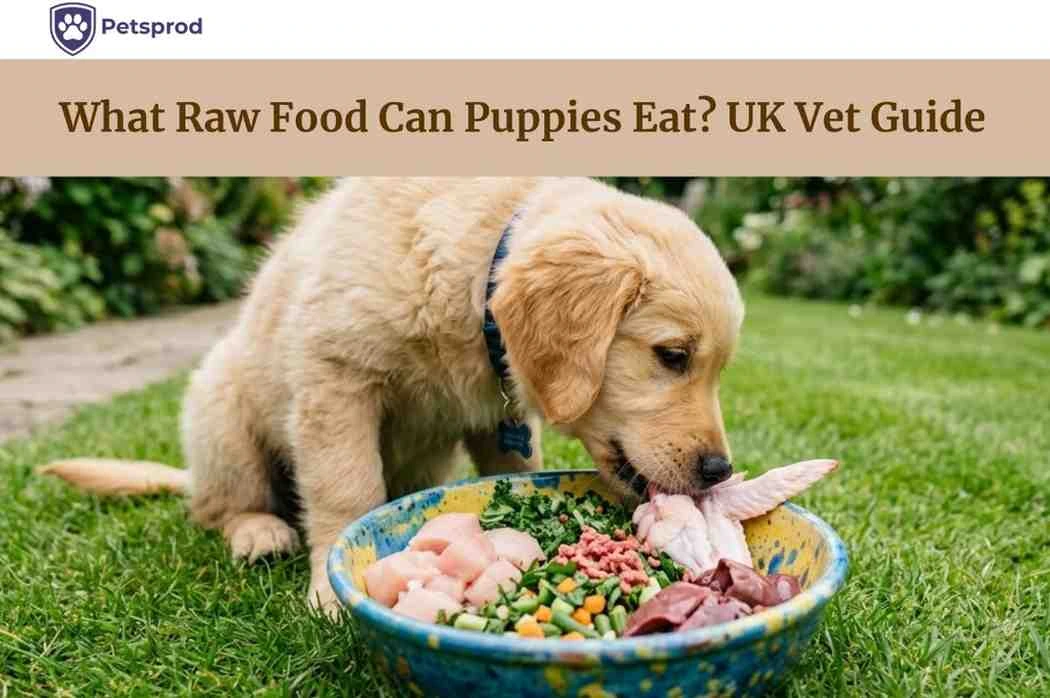
What raw food can puppies eat? It’s the question that keeps most UK dog owners up at night. But here’s the messy reality: The Food Standards Agency (FSA) found that many raw pet food samples they tested across Britain were crawling with nasty bacteria. Yet a massive University of Helsinki study suggests those raised on raw, non-processed meat have far healthier guts as adults.
Both facts are true. It’s a huge contradiction. That’s why we need a straight answer, not another biased fluff piece.
Can puppies eat raw? Yes. But it’s not just about tossing a steak in a bowl. You need a solid system. The short answer: muscle meat, soft edible bones, secreting organs, oily fish, and some blitzed-up veggies.
Get the ratios wrong, and you’re looking at permanent skeletal damage. Get it right? You’re building a biological tank.
The Core Components of a Raw Puppy Diet
Stop viewing a raw puppy diet as just a bowl of meat. It’s more like a biological engine. Pull one spark plug say, the calcium and the whole thing misfires. Every gram is a calculation, not a guess. If you underweight any part of this, you’re essentially building a nutritional gap that hits the puppy later.
In the UK, we’ve got two main camps: BARF (Biologically Appropriate Raw Food) and PMR (Prey Model Raw). PMR is meat-only. BARF adds plants. For a growing dog, BARF is usually the safer bet. Why? Because puppies can eat raw food safely comes down to getting these ratios right and a puppy’s nutrient needs are massive compared to an adult. Those veggies act as a safety net.
| Component | BARF % (Puppy) | PMR % (Puppy) | The Real Job |
|---|---|---|---|
| Muscle Meat | 58% | 69–75% | Fuel & Amino Acids |
| Raw Edible Bone | 17% | 15–17% | Structural Calcium |
| Liver | 7% | 5–7% | Vitamin A & Copper |
| Other Organs | 7% | 5–7% | Zinc & Taurine |
| Vegetables | 7% | 0% | Fibre & Gut Health |
| Fruit & Seeds | 4% | 0–5% | Healthy Fats |
Why so much bone?
Adult dogs usually need about 10%. Puppies? They need 17%. That’s a massive jump. It’s not a typo. Researchers at Ludwig-Maximilian University found that during those crazy 2–4 month growth spurts, a puppy’s body demands a calcium-to-phosphorus ratio of roughly 2:1.
Keeping the bone content at 15–17% naturally hits that target. But here’s the kicker: the bones have to be actually eaten. If your puppy just gnaws on them and leaves the scraps, they aren’t getting the calcium. Simple as that.
Muscle Meat: The Engine Room of the Diet
Muscle meat is the heavy lifter in every bowl. It’s not just about filling the stomach; it’s about providing the right amino acids. To get the balance right, you need to rotate through at least three different animals a month. This isn’t a “lifestyle choice” it’s a nutritional requirement.
Poultry: The Starter Pack
Chicken and turkey are your go-to “first day” meats. They are lean, easy on the gut, and rarely cause issues.
Learn how to introduce raw food to a puppy step-by-step.
-
Pro Tip:
Turkey is brilliant for puppies with sensitive bellies because it’s usually a “clean slate” protein they haven’t reacted to before.
-
The Fat Factor:
Thighs and drumsticks are fattier than breast meat. For tiny toy breeds, too much fat too soon means “pudding” stools, so keep it lean during the transition.
Beef: The Nutrient Powerhouse
Beef is where the real iron, zinc, and B12 live. It’s much richer than chicken, so don’t rush it. Let your puppy settle on poultry for two weeks before introducing beef mince, or you’ll be dealing with a messy garden cleanup.
Lamb and Venison: The Calorie Boosters
Got a large breed pup that runs all day? Or a runt that needs to catch up? Lamb and venison are your best friends. They are calorie-dense and packed with CLA for the immune system. Venison is also one of the “cleanest” hypoallergenic meats you can find in the UK.
Oily Fish: Brain Food (DHA)
Don’t skip the fish. Small oily fish provide DHA (docosahexaenoic acid) and EPA, the long-chain omega-3 fatty acids that are literally “fuel” for brain and eye development.
Dr. Conor Brady, a leading canine nutritionist and author of Feeding Dogs, highlights on his site that DHA supplementation during puppyhood actually makes dogs smarter. It improves their cognitive performance and learning capacity compared to pups on low-DHA diets.
- How to Feed: Two to three times per week is the sweet spot.
- What to Buy: Use fresh or frozen sardines, mackerel, or sprats. If using tinned, stick to sardines in spring water.
- Never use fish packed in brine or sunflower oil. Also, stay away from larger fish like Tuna or Salmon for regular feeding—they live longer and accumulate mercury, which is a toxicity risk for growing puppies.
Eggs: The Cheap Superfood
A whole raw egg (yolk and all) is a high-quality protein hack. It’s a supplement, not a meal replacement. Throw two or three in a week for a medium-sized pup simple and effective.
Raw Edible Bones: The Calcium Source You Can’t Skip
Raw bones are not optional. They are your puppy’s primary calcium delivery system. Without them, the diet is dangerously unbalanced no matter how high-quality your muscle meat is.
Muscle meat is naturally high in phosphorus but has almost zero calcium. According to Vet Help Direct, if a puppy doesn’t get enough calcium, their body starts a “rescue mission.” It releases parathyroid hormone, which literally steals calcium from the puppy’s own developing skeleton. The result? Nutritional Secondary Hyperparathyroidism. This leads to soft bones, permanent deformities, and fractures. It’s a preventable tragedy.
The Magic Ratio Growing puppies need a calcium-to-phosphorus ratio between 1.2:1 and 1.4:1. A raw diet with 15–17% edible bone hits this target naturally. A meat-only diet? That sits at a disastrous 1:20.
Safe Bones by Age and Breed Size
| Age | Breed Size | Safe Bone Choices |
|---|---|---|
| 8–12 weeks | Small (under 5kg) | Duck feet, quail frames |
| 8–12 weeks | Medium to Large | Chicken necks, duck wings |
| 12–24 weeks | Small | Chicken wings, rabbit ribs |
| 12–24 weeks | Medium/Large | Chicken backs, turkey necks |
| 6+ months | All sizes | Turkey necks, duck carcasses |
Stay away from large weight-bearing bones like cow femurs or marrow bones. They are like rocks. They’ll shatter puppy teeth (which are prone to slab fractures) before they even get their adult set. Supervised gnawing is fine for boredom, but these bones count for zero nutritionally because they aren’t actually consumed.
The British Veterinary Association (BVA) is clear: if you feed bones, they must be raw, size-appropriate, and supervised. This isn’t pro-raw propaganda; it’s basic safety. Cooked bones of any type are a death trap they splinter like glass. No exceptions.
Organ Meats: Your Puppy’s Natural Multivitamin
Organs are where the real nutritional power lives. Think of them as a broad-spectrum multivitamin that a puppy’s body can actually absorb. The biggest mistake most UK raw feeders make? They stop at liver. Liver is vital, but without diversity like kidney, spleen, and heart, you’re leaving massive gaps in your pup’s health.
Dr. Nick Thompson, a holistic vet in Wiltshire and founder of the Raw Feeding Veterinary Society, has seen this for over 30 years. He stresses that organ variety is what separates a truly functional diet from one that develops “quiet” deficiencies. A puppy fed only liver and chicken might look fine today, but those gaps will show up as health issues later.
-
Liver (Cap it at 5%):
It’s the most important organ but also the easiest to overdo. It’s loaded with Vitamin A, copper, and B vitamins. But be careful Vitamin A toxicity is a real risk. For a 5kg puppy eating 350g a day, that’s exactly 17.5g of liver. Weigh it; don’t guess.
-
Kidney:
This provides B12 and selenium. It’s safer in larger amounts than liver and helps fill the rest of your organ percentage.
-
Spleen:
An incredible source of heme iron (the kind the body loves). This is a lifesaver for “runts” of the litter or breeds prone to anemia.
-
Heart:
Technically muscle meat, but it’s packed with Taurine and CoQ10. For breeds like Golden Retrievers or Dobermanns with heart risks, this is a non-negotiable addition.
The “Special” Additions
This is the unwashed stomach lining of a cow (not the white supermarket version). It contains natural probiotics and enzymes that build a bulletproof gut microbiome.
- It smells genuinely awful, but puppies go absolutely crazy for it.
- If you’re transitioning from kibble to raw, pancreas is your best friend. It provides digestive enzymes (amylase and lipase) that make the switch much smoother and reduce any “tummy upsets” in the first month.
Vegetables & Fruit: The “Pre-Digested” Secret
Puppies don’t have the digestive machinery (cellulase enzymes) to break down raw, whole vegetables. If you toss a whole carrot in the bowl, it’ll likely come out the other end looking exactly the same. To actually get the vitamins out of plants, you have to “pre-digest” them, either by pureeing them, lightly steaming them, or fermenting them before serving.
In a BARF-style diet, plants make up about 11% of the daily bowl. Here’s what actually works:
-
Dark Leafy Greens (Spinach, Kale):
These are magnesium mines. They fill the gaps that a meat-only diet misses. Just don’t let Kale dominate the bowl, keep it as a sidekick, not the main character, to avoid overdoing the oxalates.
-
Pumpkin & Carrots:
These are your best friends for stool consistency. If your pup has a “runny tummy” during the switch to raw, a spoonful of plain canned pumpkin (not pie filling!) works like magic to firm things up instantly.
-
Broccoli:
Lightly steam it to unlock the nutrients. Don’t feed it raw in big chunks unless you want to deal with a very gassy puppy all evening.
-
Berries (Blueberries & Raspberries):
Think of these as tiny antioxidant bombs. They are low-sugar and safe even for tiny toy breeds. A small handful a few times a week is plenty for a massive health boost.
Foods That Are Toxic to Puppies in Any Amount
This isn’t just a “caution” list these are documented toxicological risks that can be fatal for a small puppy. Their organs are still developing, so there is zero room for error here.
| Food Item | Why it's Dangerous | The Result |
|---|---|---|
| Grapes & Raisins | Tartaric acid | Sudden, irreversible kidney failure. |
| Onions & Garlic | N-propyl disulfide | Destroys red blood cells (Anaemia). |
| Xylitol (Sweetener) | Massive Insulin spike | Liver failure or death within hours. |
| Chocolate | Theobromine | Seizures and heart issues. |
| Macadamia Nuts | Unknown toxin | Paralysis and shaking. |
| Cooked Bones | Physical brittleness | Internal tearing (Lacerations). |
The UK Xylitol Trap is a big one for British owners. Some UK peanut butter brands now use Xylitol as a sweetener. Always check the label, don’t just assume your favourite brand is safe. A small lick of the wrong peanut butter can trigger a life-threatening insulin spike in a puppy.
Alliums, onions, garlic, leeks, chives, and shallots are toxic in all forms: raw, cooked, powdered, and dehydrated. Garlic frequently appears in articles as a natural dewormer at “small doses.” The safety margin between a therapeutic dose and a toxic dose in dogs is extremely narrow, and in puppies it is narrower still. Avoid it entirely.
What UK Vets and Canine Nutritionists Actually Say
Is raw food good for puppies? The UK veterinary profession is genuinely split on raw feeding. Understanding where the disagreement sits and where there is actual consensus is more useful than picking a side.
The BVA’s Position
The British Veterinary Association does not endorse raw meat-based diets. Their 2024 policy update on diet choices for cats and dogs cited bacterial contamination risk, nutritional imbalances in homemade diets, and public health concerns for vulnerable households. Worth noting: their own member survey found 94% of UK companion animal vets already have clients feeding raw. The official position and clinical reality are not the same thing.
The PDSA takes a similar stance. Their advice on raw diets recommends a vet conversation before starting and suggests that most perceived benefits of raw feeding are achievable through any high-quality balanced commercial diet.
The RFVS Position
The Raw Feeding Veterinary Society’s 2026 position statement cites the University of Helsinki DogRisk study of dogs, which found puppies weaned onto non-processed meat-based diets had
significantly lower risk of inflammatory bowel disease as adults compared to those raised on ultraprocessed commercial food. The RFVS acknowledges bacterial risk but argues it is manageable through proper sourcing and hygiene.
Dr. Nick Thompson MRCVS, founding president of the RFVS, writes that dogs with chronic colitis, atopy, and recurrent ear infections frequently improve when moved to a species-appropriate raw diet. His position is not that raw is always superior it is that it deserves serious clinical consideration rather than blanket dismissal.
Where Both Sides Agree
- Unbalanced homemade raw diets are genuinely dangerous for puppies.
- Commercially prepared raw diets meeting FEDIAF growth standards are regulated the same as any other pet food.
- Hygiene protocols are non-negotiable regardless of how food is sourced.
- Large and giant breed puppies need professional nutritional oversight the calcium-to-phosphorus balance at either extreme causes irreversible skeletal damage.
The real dispute is not whether raw feeding works. It is whether most owners can execute it safely without specialist support.
How Much Raw Food to Feed a Puppy
Calculating the bowl size is simpler than it looks. You feed a percentage of their current body weight, and that number slowly drops as they grow. Think of it as a sliding scale: as they get bigger, their metabolism settles down.
| Age | Daily Amount (% body weight) | Meals Per Day |
|---|---|---|
| 8–16 weeks | 8–10% | 4 |
| 4–6 months | 6–8% | 3 |
| 6–9 months | 4–6% | 2–3 |
| 9–12 months | 3–4% | 2 |
Don’t treat these as law. Every puppy is different. If you have a high-energy pup who licks the bowl clean and still looks skinny, they likely need a bit more. On the flip side, if they start looking “chunky,” scale it back. If you’re struggling with the maths, you can check exactly how much to feed your puppy based on their specific weight and activity level.
If you have a Chihuahua, Pomeranian, or Yorkie, you need to be extra careful. These tiny pups have a real risk of hypoglycemia (blood sugar crash) if they go more than 3–4 hours without food in those first 12 weeks. Keeping a strict puppy feeding schedule is the only way to keep their energy levels stable.
Final Thoughts
Raw feeding works when all five components are in the bowl muscle meat, edible bones, organ meats, oily fish, and pureed vegetables. Not four. Not three. All five, in the right proportions. That is genuinely all there is to it, and it is also where most people go wrong.
The bones keep the calcium balance in check. The organs cover what meat alone never will. Rotating proteins closes the gaps that any single source leaves open. Get those three things right and the rest follows.
If your puppy is a large or giant breed, has an existing health condition, or you have vulnerable people at home, talk to your vet before you start.
FAQ — People Also Ask
What raw meat can I feed my puppy?
Chicken, turkey, beef, lamb, venison, and small oily fish like sardines are all safe. Start with one protein for two to three weeks, then rotate once the gut has settled.
Can puppies eat raw chicken bones?
Yes, when soft and size-appropriate. Chicken necks and duck feet work well for puppies under 12 weeks. Never feed cooked bones they splinter. Always supervise.
How much raw food should a 12-week-old puppy eat?
Around 8–10% of current body weight daily, split across four meals. A 3kg puppy needs roughly 240–300g per day. Adjust every two weeks based on body condition.
When can puppies start raw food?
Fine minced raw meat can be introduced from weaning at three to four weeks. Puppies coming home at eight weeks are ready for a complete raw diet straight away.
Is raw liver safe for puppies?
Yes, but cap it at 5% of daily intake. Too much causes vitamin A toxicity over time, leading to bone deformities and joint problems. Weigh it don’t guess.
What vegetables can puppies eat?
Carrots, spinach, kale, broccoli, blueberries, and pumpkin are all fine but must be puréed or lightly steamed first. Whole raw vegetables pass through mostly undigested.
Do UK vets recommend raw feeding for puppies?
Opinion is split. The BVA and PDSA advise caution. The Raw Feeding Veterinary Society supports it when nutritionally complete and hygienically handled.
What foods are toxic to puppies?
Grapes, raisins, onions, garlic, avocado, macadamia nuts, chocolate, xylitol, and stone fruit pits. Several UK peanut butter brands contain xylitol check every label. Cooked bones are also a hazard.