
What is the best puppy food owners should choose for their new furry family member? If you’re asking this question while standing in a pet store aisle feeling completely overwhelmed, you’re in good company. Research shows that 80% of puppies switch food at least once during their first year, and it’s usually because their owners didn’t get the right guidance from day one.
Here’s the thing—finding the best puppy food isn’t about fancy packaging or celebrity endorsements. It’s about understanding what your growing pup actually needs to thrive. I’ve spent years working with puppy owners, and let me tell you, there’s a massive difference between “premium-looking” and genuinely premium.
The pet food industry loves buzzwords like “natural,” “holistic,” and “grain-free,” but what do these terms really mean for your puppy’s development? To cut through this noise, we’ve analyzed our top picks using independent AADF (All About Dog Food) nutritional scores and strict FEDIAF standards. This ensures every brand we recommend provides the 25-30% protein and essential fats your pup needs.
If you’ve already checked out our puppy feeding schedule guide, you know timing matters. Now, let’s talk about what actually goes in the bowl and which brands are leading the pack in 2026.
Puppy Nutrition: What’s Actually Changed?
The puppy food world has moved on fast. If it’s been a few years since you last raised a pup, you’re in for a surprise. We’re moving away from marketing fluff and diving deep into what the science actually says in 2026.
The Gut-Brain Connection
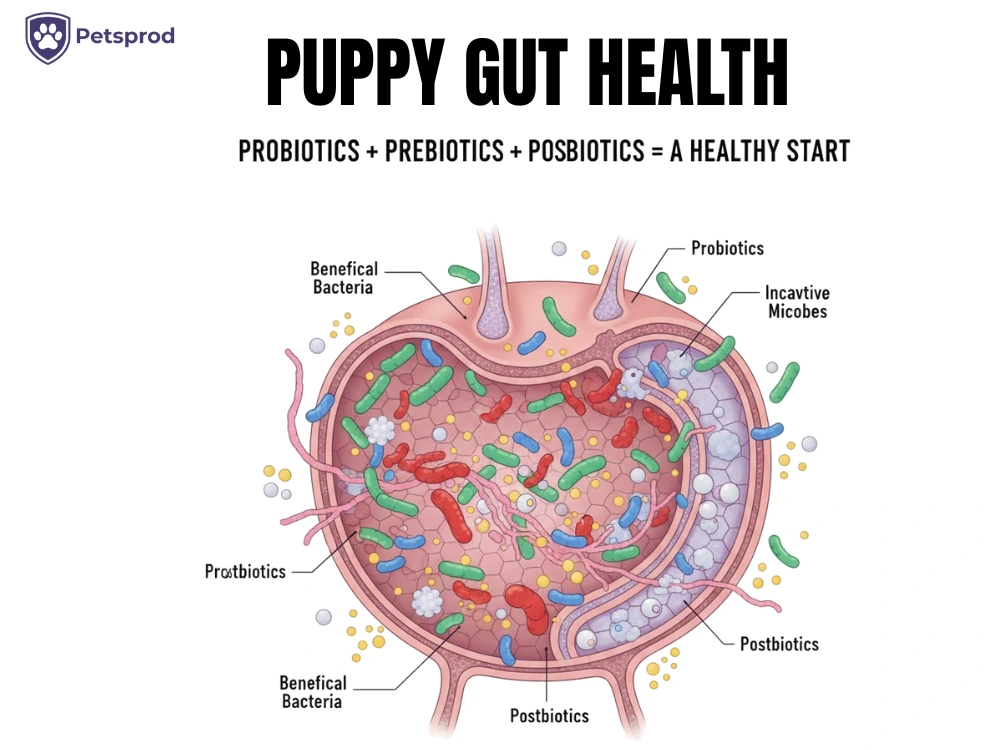
Did you know that 70% of your puppy’s immune system starts in their gut? It’s not just about solid poops anymore. Recent research shows the gut microbiome can actually influence how quickly your puppy learns commands and how they handle anxiety. That’s why probiotics aren’t just “extras” anymore—they’re essential. If your pup is struggling with training, the answer might be in their bowl, not just their behavior.
No More “One-Size-Fits-All”
A Chihuahua and a Great Dane have completely different “engines.” Breed-specific nutrition is now the standard because their energy needs are worlds apart. We’re even seeing AI-powered plans that adjust your pup’s portions as they grow. It sounds like sci-fi, but it’s the most effective way to prevent growth-related joint issues.
Planet-Friendly Protein
UK owners are now looking for more than just a full bowl; they want a smaller carbon footprint. Brands like Lily’s Kitchen (B-Corp certified) and Yora (using innovative insect protein) are proving you can be eco-conscious without compromising on muscle-building nutrients. British sourcing is no longer a luxury—it’s what we now expect.
The Rise of Fresh & “Human-Grade” Food
The most exciting shift? Moving away from heavy processing. “Human-grade” isn’t just a label; it means the ingredients are high-quality enough for us to eat. Techniques like cold-pressing ensure that vital nutrients aren’t “cooked out” by high heat, making the food much more bioavailable.
Simply put, high-quality food is more digestible, meaning your puppy feels fuller for longer. This is a game-changer for breeds that never seem to feel full—when a puppy absorbs better nutrients, they stay satisfied and energized rather than constantly begging for more.
Understanding Labels: Science Over Marketing
Puppy food packaging is built to sell first and inform second. Bold phrases like “premium,” “natural,” and “vet recommended” are designed to build trust—but they don’t automatically reflect strict nutritional standards. If you really want to know what’s going into your puppy’s bowl, you have to look beyond the marketing and read the label like a nutritionist, not a shopper.
AAFCO vs FEDIAF Standards
You’ve probably seen “AAFCO approved” on imported foods, but as a UK puppy owner, FEDIAF standards are what matter most. Post-Brexit, UK manufacturers primarily follow FEDIAF (European Pet Food Industry Federation) guidelines rather than AAFCO (Association of American Feed Control Officials) standards.
When a food says “complete and balanced,” it means it meets the minimum nutritional requirements for a specific life stage. FEDIAF standards are considered particularly rigorous in areas such as protein quality, mineral balance, and digestibility.
Nutritional Minimums for Puppies (FEDIAF Standards)
| Nutrient | Puppy Growth | Adult Maintenance |
|---|---|---|
| Crude Protein | 27% minimum | 18% minimum |
| Crude Fat | 14% minimum | 5.5% minimum |
| Calcium | 1.0–1.8% | 0.5–2.5% |
| Phosphorus | 0.8–1.6% | 0.4–1.8% |
| Ca:P Ratio | 1:1 to 1.8:1 | 1:1 to 2:1 |
Remember, these are minimum requirements—not necessarily optimal levels. High-quality puppy foods typically exceed these standards to better support healthy growth and development.
According to the FEDIAF Nutritional Requirements, the needs of a puppy are fundamentally different from those of an adult dog. They emphasize that puppies require a precise balance of calcium and phosphorus, along with sufficient vitamin D, to build strong bones and healthy teeth. Relying on unbalanced diets or “table scraps” can lead to serious long-term health issues like renal insufficiency or obesity.
Label Literacy: What You’re Actually Reading
This is where nuance matters. “Chicken” and “chicken meal” are not the same ingredient. Fresh meat contains around 70% water, so after processing, it may drop lower on the ingredient list. Chicken meal, on the other hand, is already dehydrated and concentrated, meaning it delivers more protein per gram. Neither is automatically superior — what matters is the overall formulation.
Named protein sources (chicken, lamb, salmon) are generally preferable to vague terms such as “poultry,” “meat,” or “animal derivatives.” While by-products can include nutritious organ meats, reputable brands will clearly specify what those ingredients contain rather than relying on broad terminology.
The Essential Three Nutrients
- High-Quality Protein: This should ideally appear as the first ingredient. Puppies grow rapidly, and protein supports muscle development, immune function, and tissue repair.
- DHA (Omega-3 fatty acids): Essential for brain and eye development. It should come from fish oil or algae rather than solely from flaxseed. While flaxseed provides ALA, dogs convert it to DHA inefficiently. Well-formulated puppy foods will clearly list DHA content.
- Digestible Carbohydrates: Such as brown rice, oats, or sweet potatoes, they provide steady energy. Carbohydrates aren’t inherently harmful, but when lower-quality grains like corn or wheat dominate the list, they may reduce the overall protein density of the food.
Additives to Approach with Caution
Some ingredients offer little nutritional benefit. Artificial preservatives such as BHA and BHT have raised concerns in some studies, whereas higher-quality brands often use natural preservatives like mixed tocopherols (vitamin E). Artificial colors and flavors serve no functional purpose in canine nutrition. Similarly, excessive use of filler ingredients may dilute the overall nutritional value of the formula.
Breed-Specific Skeletal Science
Here’s something most puppy food guides won’t tell you: what works for a Chihuahua can actually harm a Great Dane puppy. Skeletal development varies so dramatically across breed sizes that feeding the wrong formula isn’t just suboptimal—it can cause permanent damage.

Large & Giant Breeds (25 kg+ Adult Weight)
If you’re raising a Labrador, German Shepherd, or any giant breed, listen carefully. These puppies face unique health risks that smaller breeds simply don’t encounter.
The danger zone includes Developmental Orthopedic Disease (DOD), hip and elbow dysplasia, and osteochondrosis. These aren’t just genetic lottery outcomes—nutrition plays a massive role. Excess calories or excessive calcium can accelerate growth beyond what the developing skeleton can safely support, increasing the risk of long-term joint issues.
What They Actually Need:
- Calcium controlled between 0.8 and 1.2% (more isn’t better here)
- Calcium-to-phosphorus ratio of 1.1:1 to 1.3:1—balance is critical
- Moderate calorie density to encourage slow, steady growth
- Early joint health support through natural cartilage-building nutrients like glucosamine and chondroitin.
The growth philosophy for large breeds is simple: slow and steady is the gold standard. You want your Great Dane reaching adult weight at 18-24 months, not 12. Rapid growth might look impressive at the park, but you’re setting up future problems.
Small & Toy Breeds (Under 10kg Adult Weight)
Tiny breeds face completely opposite challenges. Their metabolism runs like a racecar engine, and their stomach is roughly the size of a golf ball. The Metabolic Reality: Small breed puppies can develop hypoglycemia (dangerously low blood sugar) frighteningly fast. In some cases, prolonged gaps between meals may increase the risk of hypoglycemia, which can require veterinary attention. Their tiny stomach capacity means they physically cannot eat enough volume of regular puppy food to meet their explosive energy needs.
What They Need:
- Energy-dense formulations that pack more calories per bite
- Higher calories per kilogram of body weight than larger breeds
- Small kibble size (5-8 mm)—a Yorkshire Terrier simply can’t crunch through large-breed kibble
- Frequent meals (3-4 times daily) to maintain stable blood sugar levels
Medium Breeds (11-25kg Adult Weight)
The Goldilocks zone. Medium breeds like Cocker Spaniels, Border Collies, and Beagles have standard growth rates and moderate energy needs. They’re honestly the easiest to feed properly. Standard puppy formulations work well for them, though some do benefit from breed-specific options that account for their particular activity levels and energy expenditure.
Breed-Specific Nutritional Comparison Chart
| Factor | Small Breeds (<10kg) | Medium Breeds (10-25kg) | Large/Giant Breeds (25kg+) |
|---|---|---|---|
| Calcium Level | Standard (1.0\% - 1.8\%) | Standard (1.0\% - 1.8\%) | Controlled (0.8\% - 1.2\%) |
| Calorie Density | High (For fast metabolism) | Moderate | Moderate-Low (To prevent obesity) |
| Feeding Frequency | 3–4x daily | 3x daily | 2–3x daily (Prevents Bloat) |
| Kibble Size | 5–8mm (Easy to chew) | 10–12mm | 12–15mm (Encourages chewing) |
| Growth Duration | 8–10 Months | 12 Months | 18–24 Months |
| Primary Concern | Hypoglycemia Risk | Overall Balance | Joint & Skeletal Health |
Note:
Understanding that “one size does not fit all” is the key to puppy nutrition. This comparison chart highlights the critical differences in requirements based on your puppy’s expected adult size.
Why These Differences Matter:
-
For Small Breeds:
Their metabolic rate is incredibly high. They burn through energy quickly, which is why they need “High Calorie Density” and frequent meals to prevent hypoglycemia (dangerous drops in blood sugar).
-
For Medium Breeds:
They are the “all-rounders” but prone to obesity if overfed. Since they reach skeletal maturity at exactly 12 months, they require a perfectly balanced energy-to-protein ratio to build muscle without putting undue stress on their maturing joints.
-
For Large Breeds:
The “Controlled Calcium” is vital. Giving a Great Dane or Labrador too much calcium causes their bones to grow faster than their cartilage can support, leading to lifelong joint pain and Developmental Orthopedic Disease (DOD).
Gut Health Deep-Dive: The 2026 Priority
If you’d asked a vet about puppy gut health a decade ago, you’d get advice about avoiding table scraps. Today? We’re talking about the microbiome as the control center for your puppy’s entire wellbeing—because increasingly, science shows that it is.
Why the Microbiome Revolution Matters
Here’s the reality: A significant portion of your puppy’s immune system is closely linked to the digestive tract. The gut isn’t just processing food; it’s training immune cells, producing neurotransmitters, and fundamentally shaping how your puppy develops.
The gut-brain axis is particularly fascinating. Emerging research suggests that gut bacteria may influence behavior, stress responses, and overall cognitive development. Beyond behavior, the microbiome determines nutrient absorption efficiency. You can feed premium food all day, but if the gut bacteria aren’t functioning properly, your puppy won’t extract the nutrition they need.
The Synergy of Biotics: Understanding the Triple-Action System

The conversation has evolved beyond just “good bacteria.” To truly support a growing puppy, we now look at a three-part system:
Probiotics:
These are the live beneficial bacteria (like Lactobacillus). They colonize the gut with helpful microorganisms. Leading brands like Purina Pro Plan have pioneered research into how these strains stabilize puppy digestion.
Prebiotics:
Think of these as “fuel” for the good bacteria. Ingredients like Chicory root (FOS), pumpkin, and beet pulp ensure the probiotics can thrive. Scientific breakdowns from Royal Canin explain how these fibers prevent harmful bacteria from taking over.
Postbiotics:
The newest frontier in pet nutrition. These are the beneficial compounds (like short-chain fatty acids) produced by bacteria that provide immediate immune support.
Visual Indicators of a Healthy Gut
You don’t need a lab to check your puppy’s internal health. Look for these “Green Flags”:
- Firm, well-formed stools (consistent and easy to pick up).
- Shiny coat and healthy skin (the gut-skin connection is real).
- Stable energy levels throughout the day.
- Minimal gas and bloating after mealtime.
When to Supplement Beyond Food
Even with high-quality food, certain situations require a “gut boost.” Post-antibiotic recovery is critical, as antibiotics can wipe out good bacteria. Stressful transitions—like rehoming, moving, or boarding—can also cause gut populations to crash.
Commonly Used Probiotic Supplements (UK):
-
YuMOVE Digestive Care: Specifically formulated for canine gut balance using high-quality prebiotic and probiotic complexes.
-
Protexin Pro-Kolin: Veterinary-grade paste, excellent for acute digestive upsets.
-
Purina FortiFlora: A highly palatable powder often used to encourage eating during recovery.
Format Wars: Fresh vs Kibble vs Wet
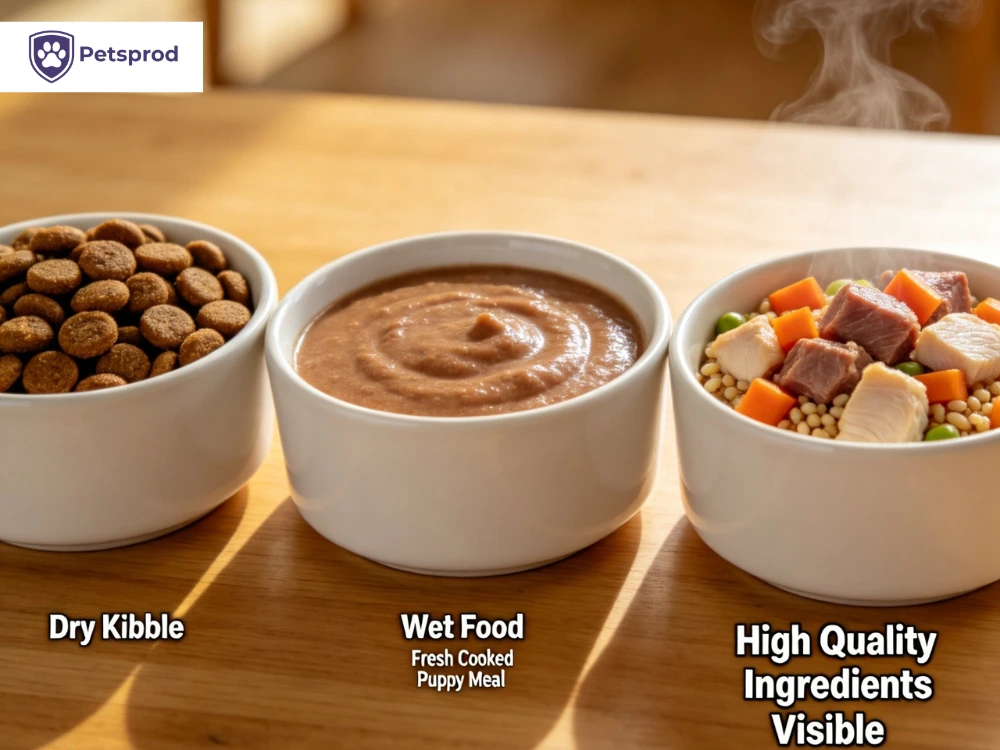
The puppy food format debate has become almost religious. Fresh food advocates swear kibble is processed junk, while kibble defenders point to decades of research. Meanwhile, wet food often sits overlooked in the middle. Let’s cut through the noise with actual facts.
Nutrient Density & Bioavailability: What Actually Matters
Fresh and Gently Cooked Foods (e.g., Butternut Box, Different Dog)
These brands have grown in popularity, partly due to increased interest in minimally processed diets. Minimally processed ingredients may help preserve certain nutrients compared to high-heat extrusion methods. You’re feeding recognizable chicken breast and vegetables rather than rendered meals.
However, cost is a significant factor, often double or triple that of kibble. It also requires freezer space and strict scheduling, which may be impractical for busy owners.
High-Quality Kibble (e.g., Royal Canin, Purina Pro Plan)
Kibble is often unfairly demonized. The reality is that brands like Royal Canin and Purina Pro Plan have feeding trial data spanning decades. They are research-backed andmay help reduce plaque buildup through mechanical chewing action. According to the FEDIAF Nutritional Requirements, these formulated diets ensure that even in a processed format, puppies receive the precise mineral balance needed for growth. The main tradeoff is low moisture content (around 10%), meaning hydration must be monitored closely.
Wet Food: The Hydration Hero
Wet food’s biggest advantage is its 75-80% moisture content—excellent for puppies who are poor drinkers. It is highly palatable, making it a practical option for picky eaters or puppies recovering from illness. The downside is the cost per calorie and the environmental impact of daily cans or pouches.
Mixed Feeding: The Best of Both Worlds?
Many owners mix formats but do it wrong—they mix by volume rather than calories. Because wet food is less calorie-dense, equal volumes can lead to underfeeding.
How to Combine Formats Safely:
-
Calculate by Calories:
If your puppy needs 800 calories, provide 400 from kibble and 400 from wet food. Always check the kcal/kg listed on the packaging.
-
Consistency is Key:
Stick to the same protein source (e.g., chicken kibble with chicken wet food) to make it easier to identify potential food sensitivities.
-
Regulatory Peace of Mind:
Whether you choose fresh, wet, or dry, ensure the packaging carries the “Complete” label, which signifies it meets the current FEDIAFNutritional guidelines for a balanced life-stage diet.
The Grain-Free Debate: Evidence-Based Consensus
Few topics have caused more confusion in puppy nutrition than grain-free diets. What started as a well-intentioned trend has evolved into a complex scientific discussion—and the current evidence might surprise you.
The Scientific Context: What Actually Happened
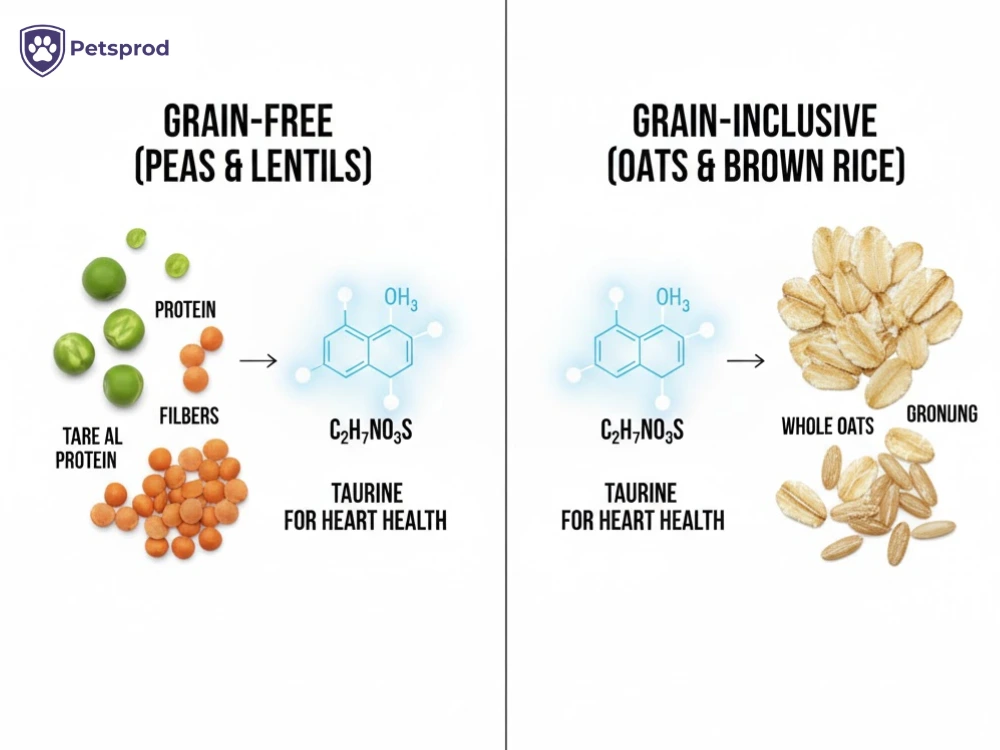
The pet food industry faced a significant turning point when investigations identified a potential link between grain-free diets and dilated cardiomyopathy (DCM)—a serious heart condition. The focus wasn’t on the absence of grains itself, but on formulations that replaced grains with heavy amounts of peas, lentils, and potatoes.
The working theory involves potential taurine deficiency or metabolism interference, which is critical for cardiac function. In fact, a peer-reviewed narrative review on diet-associated DCM confirmed that many dogs showed clinical improvement simply by transitioning away from these legume-heavy grain-free diets.
Where We Stand in 2026
The evidence has settled into a clearer, science-first picture:
- Grains are not inherently bad: For the vast majority of puppies, whole grains are a safe and nutritious energy source.
- Allergies are misunderstood: True grain allergies account for less than 5% of all canine food sensitivities—chicken, beef, and dairy are far more common culprits.
- Nutritional Benefits: Quality grains provide essential fiber for gut health and B vitamins for energy metabolism.
- Heart Health Caution: Legume-heavy grain-free formulations may still carry risks regarding taurine metabolism that are not yet fully understood.
The Balanced Nutrition Approach
If you choose grain-inclusive food, prioritize quality sources like brown rice, oats, and barley. These provide much more than just “filler” calories. According to the FEDIAF 2025 Nutritional Guidelines, a balanced diet must provide all essential amino acids and minerals, regardless of whether it contains grains or not.
If your vet has diagnosed a specific grain allergy, ensure your grain-free choice is fortified with taurine and L-carnitine to protect heart health.
The Bottom Line:
Grain-free became trendy based on human diet fads, not canine science. Unless your puppy has a diagnosed sensitivity, there is no evidence-based reason to avoid grains—and several good reasons to include them.
Practical Tools: BCS & Transition Protocol
Theory is great, but let’s talk about the practical skills every puppy owner actually needs. These two tools—Body Condition Scoring and Proper Food Transitions—will serve you throughout your puppy’s first year and beyond.
Body Condition Score (BCS): Your Home Assessment Tool
Forget the bathroom scale for a moment. The 9-point Body Condition Score system is far more useful because it accounts for body composition, not just weight. Here is how to assess your puppy honestly:
- Underweight (1–3/9): Ribs, spine, and hip bones are clearly visible with no fat cover. This is too thin—even for naturally lean breeds.
- IDEAL (4–5/9): This is your target. You should feel ribs easily with light finger pressure, but not see them prominently. There’s a visible waist from above and a clear abdominal tuck from the side.
- Overweight (6–7/9): Ribs are difficult to feel under a layer of fat. The waist is barely visible or absent.
- Obese (8–9/9): Ribs are not palpable at all. The abdomen is distended, and there are fat deposits over the tail base. This requires immediate veterinary intervention.
Monitoring Strategy:
Check your puppy’s BCS weekly. For large and giant breeds, keeping them slightly lean (BCS 4/9) is actually a “Gold Standard” as it protects developing joints from the stress of excess weight.
The 7-Day Safe Food Transition Protocol
Switching foods abruptly is asking for digestive upset. Your puppy’s gut bacteria need time to adjust. Use this proven method:
| Day | Old Food | New Food |
|---|---|---|
| 1–2 | 75% | 25% |
| 3–4 | 50% | 50% |
| 5–6 | 25% | 75% |
| 7+ | 0% | 100% |
Practical Tip:
Mix the old and new food thoroughly at each meal to ensure consistent digestion and nutrient exposure.
Some puppies with sensitive digestion may require a slower 10–14-day transition.
Troubleshooting:
If you see loose stools, drop back to the previous day’s ratio and stay there for 2–3 extra days. For more specific portioning, check out our comprehensive puppy feeding guide for weight-based calculations.
Feeding Schedules by Age: When and How Often
Puppy stomachs are tiny, and their blood sugar needs consistent fuel to avoid hypoglycemia.
- 8–12 weeks: Four meals daily, evenly spaced.
- 3–6 months: Three meals daily.
- 6–12 months: Two meals daily.
- Large Breeds (12+ months): Keep them on 2 meals daily, even in adulthood, to reduce the risk of bloat (GDV).
These tools aren’t complicated, but they’re genuinely useful. Master them early, and you’ll avoid most of the common feeding mistakes that lead to vet visits.
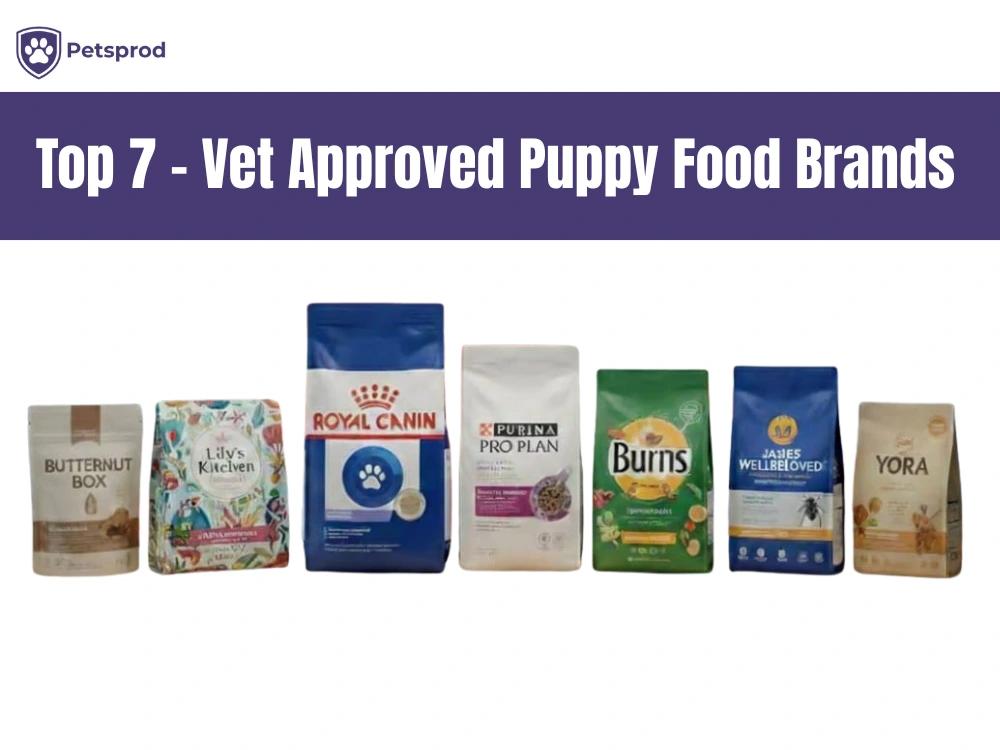
Top 7 Vet-Recommended Puppy Food Brands (UK & Global) – 2026
Choosing the right puppy food is essential for healthy growth, immune development, and long-term well-being. Below is an educational overview of widely used and veterinarian-recommended puppy food brands available in the UK and globally. These brands meet recognized nutritional standards such as FEDIAF (Europe) or AAFCO (USA) for complete and balanced puppy growth.
Whether you prefer fresh-cooked meals ,research-backed kibble, or sustainable novel proteins, these are the most trusted names for puppy nutrition:
Fresh Puppy Food Options
1.Butternut Box (UK + International Shipping)
- Fresh, gently cooked meals delivered frozen
- Human-grade quality ingredients
- British-sourced meats (chicken, beef, pork, turkey)
- Customized portions based on age, weight, and activity
- Suitable from weaning (~8 weeks onward)
- Formulated to meet FEDIAF growth standards
Best for: Owners preferring minimally processed, fresh puppy meals.
Science-Based Puppy Food Brands
2. Royal Canin (Worldwide)
- Breed-specific puppy formulas (Small, Medium, Large, Giant)
- Controlled calcium-to-phosphorus ratios for skeletal development
- Size-adapted kibble shapes
- Includes MOS & FOS prebiotics for digestion
- Developed through feeding trials and veterinary research
- Suitable from 8 weeks up to 12–24 months (breed size dependent)
Best for: Structured growth support and breed-specific nutrition.
3. Purina Pro Plan (Global)
- OptiStart formula with colostrum for immune support
- Added probiotics (Enterococcus faecium)
- DHA from salmon oil for brain & vision development
- Suitable from 6–8 weeks onward
- Backed by ongoing nutritional research
Best for: Immune system and digestive health support.
4. Lily’s Kitchen (UK, Europe, Expanding Asia)
- B-Corp certified pet food company
- Natural ingredients with no artificial additives
- Botanical herbs (chamomile, nettle, marigold)
- Complete and balanced puppy recipes
- Suitable from 8 weeks onward
Best for: Natural ingredient preference and ethical sourcing.
Hypoallergenic Puppy Food Options
5. Burns (UK + Limited Europe)
- Over 30 years of hypoallergenic expertise
- Simple, limited ingredient formulas
- Brown rice for gentle digestion
- Excludes common allergens (beef, wheat, dairy, soya)
- Suitable from 8 weeks onward
Best for: Sensitive digestion and simplified diets.
6. James Wellbeloved (UK, Europe, Select Global Markets)
- Food without the fuss” approach
- Eliminates common allergens
- Multiple protein choices (turkey, lamb, duck)
- Natural prebiotics from chicory
- Suitable from 8 weeks onward
Best for: Puppies with multiple food sensitivities.
7.Yora (UK + Expanding Globally)
- Insect protein (Black Soldier Fly larvae)
- Complete amino acid profile
- Naturally novel protein source
- Lower environmental footprint vs traditional livestock
- Suitable from 8 weeks onward
Best for: Sustainability-focused pet owners.
Puppy Food Brand Comparison Table (UK & Global)
| Brand Name | Food Type | Key Strength | Suitable Age | Availability |
|---|---|---|---|---|
| Butternut Box | Fresh / Frozen | Gently cooked, portion-personalized | 8 weeks+ | UK + limited international |
| Royal Canin | Dry Kibble | Breed-specific research formulas | 8 weeks–24 months (size based) | Worldwide |
| Purina Pro Plan | Dry Kibble | Colostrum + probiotics | 6–8 weeks+ | Worldwide |
| Lily’s Kitchen | Natural Kibble | Ethical, clean ingredients | 8 weeks+ | UK, Europe, Asia |
| Burns | Limited Ingredient | Gentle digestion support | 8 weeks+ | UK + limited Europe |
| James Wellbeloved | Hypoallergenic | Allergen-controlled | 8 weeks+ | UK + Europe + select global |
| Yora | Insect-Based Kibble | Sustainable protein | 8 weeks+ | UK + expanding globally |
At what age should puppies eat puppy food?
- Small breeds: until 9–12 months
- Medium breeds: until around 12 months
- Large breeds: 12–18 months
- Giant breeds: up to 24 months
Transition to adult food only once growth is complete and confirmed by your veterinarian.
Why These Brands Are Commonly Vet-Recommended
- Meet FEDIAF (UK/Europe) or AAFCO (USA) nutritional standards
- Designed specifically for puppy growth stages
- Include digestive and immune-support ingredients
- Offer breed-size specific options
- Established quality control and research backing
Important Disclaimer
“Vet-recommended” indicates these brands are widely used and commonly suggested by veterinary professionals based on formulation standards and nutritional adequacy. Individual needs vary by breed, size, and health condition. Always consult your veterinarian before making dietary changes.
Practical Feeding Examples: Real-World Scenarios
Let’s look at actual feeding schedules so you can see how this works in practice with real puppies.
Case Study 1: Small Breed Puppy
The Puppy:
- 4-month-old Yorkshire Terrier
- Current weight: 2.5kg
- High energy, fast metabolism
Daily Requirements:
- Calories needed: ~400 kcal/day
- Meals per day: 3 (prevents hypoglycemia)
- Feeding times: 8am, 1pm, 6pm
- Portion per meal: 45-50g kibble
Sample Daily Schedule:
- 8:00 AM – Royal Canin Mini Puppy (45g)
- 1:00 PM – Royal Canin Mini Puppy (45g)
- 6:00 PM – Royal Canin Mini Puppy (45g)
- Water – 125-150ml throughout the day
Why This Approach Works:
- Small kibble size (5-8mm) fits tiny mouth easily
- Energy-dense formula prevents blood sugar crashes
- Three meals support fast metabolism without overloading stomach
- Consistent timing helps house training
- Water amount appropriate for body weight
Case Study 2: Large Breed Puppy
The Puppy:
- 5-month-old Labrador Retriever
- Current weight: 18kg
- Rapid growth phase requiring careful management
Daily Requirements:
- Calories needed: ~1,400 kcal/day
- Meals per day: 3 (prevents bloat from large single meals)
- Critical focus: Controlled calcium for skeletal development
- Growth goal: Slow and steady (not maximum speed)
Sample Daily Schedule:
- 7:00 AM – Royal Canin Large Puppy (140g)
- 1:00 PM – Royal Canin Large Puppy (140g)
- 6:00 PM – Royal Canin Large Puppy (140g)
- Water – 900-1,080ml throughout the day (roughly 50-60ml per kg)
Why This Approach Works:
-
- Controlled calcium levels (0.8-1.2%) protect developing joints
- Moderate calorie density prevents too-rapid growth
- Three meals reduce bloat risk vs two large meals
- Body Condition Score monitored weekly – keep lean (BCS 4/9)
- Prevents Developmental Orthopedic Disease (DOD)
- Hip and elbow dysplasia risk reduced through nutrition
Key Differences Between Small vs Large Breed Feeding:
- Small breeds need energy-dense food, large breeds need controlled growth
- Small breeds risk hypoglycemia, large breeds risk joint problems
- Small breeds eat frequently, large breeds focus on portion control
- Water needs scale with body weight (50-60ml per kg general rule)
Key Takeaway: Small vs. Large Breed Needs
| Feature | Small Breed Focus | Large Breed Focus |
|---|---|---|
| Energy Density | High (prevents hypoglycemia) | Moderate (prevents rapid growth) |
| Main Health Goal | Fast metabolic support | Joint & skeletal health |
| Kibble Size | 5–8mm (Easy to chew) | Large (Encourages chewing/slows eating) |
| Feeding Style | Frequent meals | Strict portion control |
General Feeding Schedule by Age
It is essential to adjust feeding frequency as your puppy ages to ensure their digestion remains stable and energy levels stay consistent:
| Puppy Age | Meals Per Day | Nutritional Focus |
|---|---|---|
| 8–12 Weeks | 4 Meals | High energy and digestive stability (Small portions) |
| 3–6 Months | 3 Meals | Sustained growth and muscle development |
| 6–12 Months | 2 Meals | Skeletal finishing and bone density |
| 12–24 Months | 2 Meals | Transition to Adult food |
Conclusion
Your puppy’s first year builds their lifelong health foundation—choosing the wrong food risks joint issues, weak immunity, or chronic digestive problems. In 2026, the science is clear: prioritize complete nutrition with at least 27% protein, a balanced Calcium-to-Phosphorus ratio, and real meat as the primary ingredient. Beyond basic calories, focus on DHA for brain development and microbiome health through a combination of prebiotics and probiotics.
Whether you choose a fresh-cooked plan, a high-quality kibble, or sustainable novel proteins, the focus must remain on bioavailability and your puppy’s specific breed requirements. Remember, “slow and steady” growth is the gold standard, especially for larger breeds.
The Golden Rule:
Always consult your vet first—every puppy is unique when it comes to growth monitoring, potential allergies, or breed-specific risks like hip dysplasia. Use our feeding guides, follow the
7-day transition protocol, and monitor their Body Condition Score (BCS) weekly. Your pup deserves a foundation that allows them to thrive, not just survive.
FAQs
1. When should I switch from puppy to adult food?
Switch at 9-12 months for small breeds, 12 months medium, 12-18 months large, 18-24 months giant (FEDIAF growth complete). Gradual 7-10 day transition; vet-check first.
2. Is mixing different brands beneficial or harmful?
Safe if both high-quality/FEDIAF-approved—adds variety, but monitor digestion. Harmful if nutrient imbalance (e.g., excess calcium); the same protein source is best.
3. Are probiotics just marketing hype or genuinely necessary?
Genuine benefit: Boost gut health, immunity, reduce diarrhea (70% puppy issues). Not always necessary in complete foods, but add for stress/antibiotics.
4. How do I manage a picky-eater dog?
Cut treats/table scraps, set a 15-30 min meal timer, warm food/top with broth. Rule out health issues with vet; try new textures slowly.
5. Which Human Foods Are Safe or Toxic for Puppies?
Puppies can have some human foods as 10% treats max, but avoid toxic ones—stick to FEDIAF-balanced kibble. Always plain, small pieces; vet first for allergies.
Safe (Moderation):
- Apples (no core/seeds), bananas, blueberries, carrots, broccoli, cucumber, watermelon
- Cooked plain chicken/turkey, eggs, cheese (small lactose check), peanut butter (xylitol-free)
- Rice, plain pasta/bread, oats, pumpkin
Toxic (Never):
- Chocolate, grapes/raisins, onions/garlic/chives, xylitol (gum/candy), avocado
- Macadamia nuts, alcohol, caffeine, raw yeast dough, salty/spicy foods.
6. Can I mix wet and dry puppy food?
Yes, mix by calories (not volume)—e.g., 50/50 kcal for balance. Improves hydration/palatability; thorough mix, same protein.
7. How much water should my puppy drink?
50-60ml/kg body weight daily (e.g., 2kg pup: 100-120ml). More if hot/active/wet food; monitor urine/output for dehydration.
8. Should I free-feed or use scheduled meals?
Scheduled meals are best (2-4/day by age)—prevents obesity, aids training/housebreaking. Free-feed risks overeating; use for dry only.
9. Is fresh food better than kibble?
Fresh is often more digestible/nutrient-rich (less processing), but kibble is convenient/research-backed (plaque control). Choose FEDIAF-complete; cost/hydration tradeoff.
10. How do I know if the food is working?
Shiny coat, firm stools, steady energy/weight gain (BCS 4-5/9), no itching/diarrhea. Vet check growth charts every 3 months.